Technology blogs, device guides, and smartphone buying stories
Read practical explainers, launch coverage, device comparisons, and buying guidance written to help readers understand specifications in context. We focus on original summaries, source review, and clear trade-offs instead of copied spec sheets.
Teqspeq Editorial
Sharp stories for people who care about technology, not noise.
Deep dives, practical insights, and smart takes on devices and product ecosystems.
Lead Story
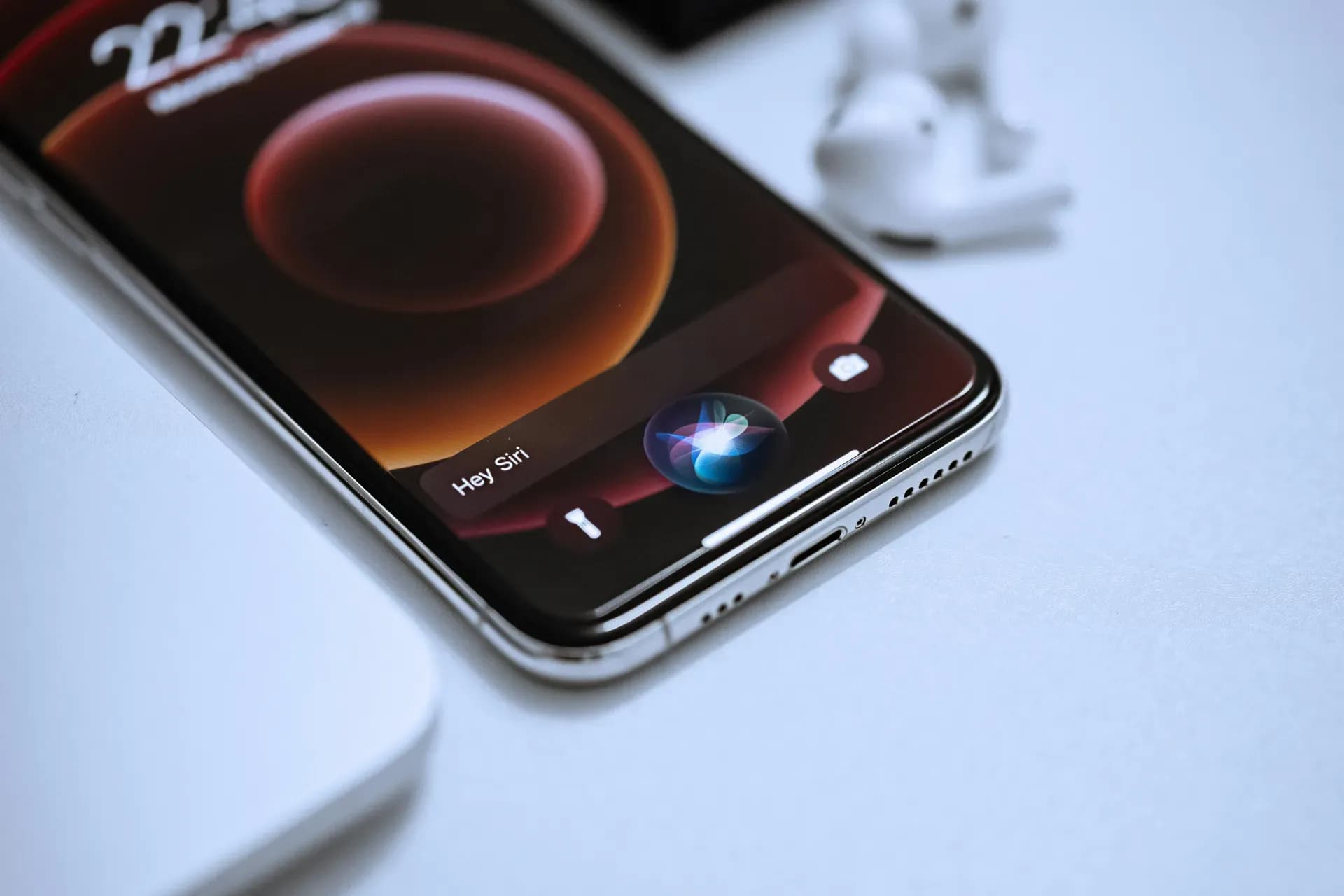
Apple's "Introducing Siri AI : Truly Helpful. Truly Yours.": Why This Could Be Apple's Biggest Software Leap in Years
Apple events have always carried a certain kind of excitement. Whether it's a new iPhone, a redesigned MacBook, or a surprise "one more thing," millions of people tune in expecting Apple to show not just what technology can do today, but where it's headed tomorrow. This year's WWDC feels different. The headline isn't a shiny new gadget. Instead, Apple is betting on something much bigger: artificial intelligence. With the tagline **"Introducing Siri AI. Truly Helpful. Truly Yours."**, Apple is signaling a complete rethink of Siri and the broader Apple experience. And if the company delivers on its promises, this could be one of the most important software updates in Apple's history. A Long Road to This Moment Let's be honest. For years, Siri felt like it was falling behind. While ChatGPT, Gemini, and Claude became capable of holding conversations, generating content, and solving complex problems, Siri often struggled with simple requests. Many Apple users found themselves turning to third-party AI tools instead of Apple's own assistant. Apple knew this. That's why the company spent the last two years rebuilding its AI strategy around what it calls **Apple Intelligence**, culminating in the launch of an entirely new Siri AI experience. What Makes Siri AI Different? The new Siri isn't just a voice assistant anymore. Apple says Siri AI can understand your personal context, remember information across apps, and help complete tasks more naturally. Instead of simply answering questions, it aims to become a digital assistant that actually understands what you're trying to accomplish. Imagine saying: *"Show me the address Sarah texted me last week."* Or: *"Find that photo I took at the restaurant in Mumbai and send it to my brother."* The new Siri AI is designed to search through messages, emails, photos, notes, and other content on your device to help complete these requests. Apple is also bringing: Better conversational abilities Deeper app integration On-screen awareness Web-powered answers More expressive voices Multi-step task handling These are features users have been requesting for years. The SDK Announcement Could Be the Real Game Changer While most headlines focus on Siri AI, developers should pay close attention to the SDKs and APIs Apple is opening up. Historically, Siri was fairly restricted. Developers could only integrate a limited set of actions. Now Apple appears to be giving developers deeper access to Apple Intelligence capabilities and broader system actions. This means third-party apps may be able to work with Siri in ways that weren't possible before. Think about the possibilities: Travel apps planning complete itineraries Shopping apps creating personalized recommendations Productivity apps automating workflows Health apps delivering intelligent insights Creative apps generating content directly inside the Apple ecosystem If Apple executes well, Siri could evolve from an assistant into an intelligent layer that sits across every app on your device. That's potentially more impactful than any individual hardware launch. Looking Back: WWDC's Biggest Software Moments To understand why this matters, it's worth remembering what WWDC has historically introduced. Over the years, Apple used WWDC to unveil: The App Store iCloud Apple Silicon transition Swift programming language Widgets Apple Intelligence Vision Pro software platform Many of these announcements didn't seem revolutionary on day one.But they reshaped entire ecosystems over time. **The App Store created a multi-billion-dollar developer economy.** **Apple Silicon transformed Mac performance.** **Swift changed how developers build applications.** **Siri AI could become the next chapter in that story.** **Privacy: Apple's Biggest AI Advantage** One thing Apple keeps emphasizing is privacy. Unlike some AI platforms that rely heavily on cloud processing, Apple says much of its intelligence architecture is designed around protecting user data and keeping personal information secure. That's important because AI assistants become far more useful when they understand your messages, emails, photos, reminders, calendar events, and habits.The challenge is doing that without compromising privacy.Apple believes its approach can deliver both.Whether consumers agree remains to be seen. **What I Expect Over the Next Year** The first version of Siri AI probably won't be perfect. No major AI system is. But I expect three things: **1 Siri will finally become genuinely useful** (Not just for timers and alarms.) **2 Developers will build surprising experiences** The SDK announcements may end up creating the most exciting innovations, especially once third-party developers begin experimenting. **3 Apple will make AI feel less intimidating** Apple's strength has never been inventing technology first.Its strength is making technology accessible to everyday people. If Siri AI can bring advanced AI capabilities to hundreds of millions of users in a simple and trustworthy way, Apple could dramatically accelerate mainstream AI adoption. **Final Thoughts** For years, Siri was often the punchline in conversations about AI assistants. Now Apple is trying to change that narrative. **"Truly Helpful. Truly Yours."** isn't just a marketing slogan. It's a statement of intent. Apple wants Siri to become something far more personal, more intelligent, and more useful than ever before.Whether Siri AI lives up to that promise remains the biggest question.But for the first time in a long time, it feels like Apple isn't merely updating Siri.It's rebuilding it from the ground up.And that makes this one of the most interesting Apple announcements we've seen in years.
Mukesh kumar•Jun 9, 2026• 4 min read
Spotlight Reads
Browse all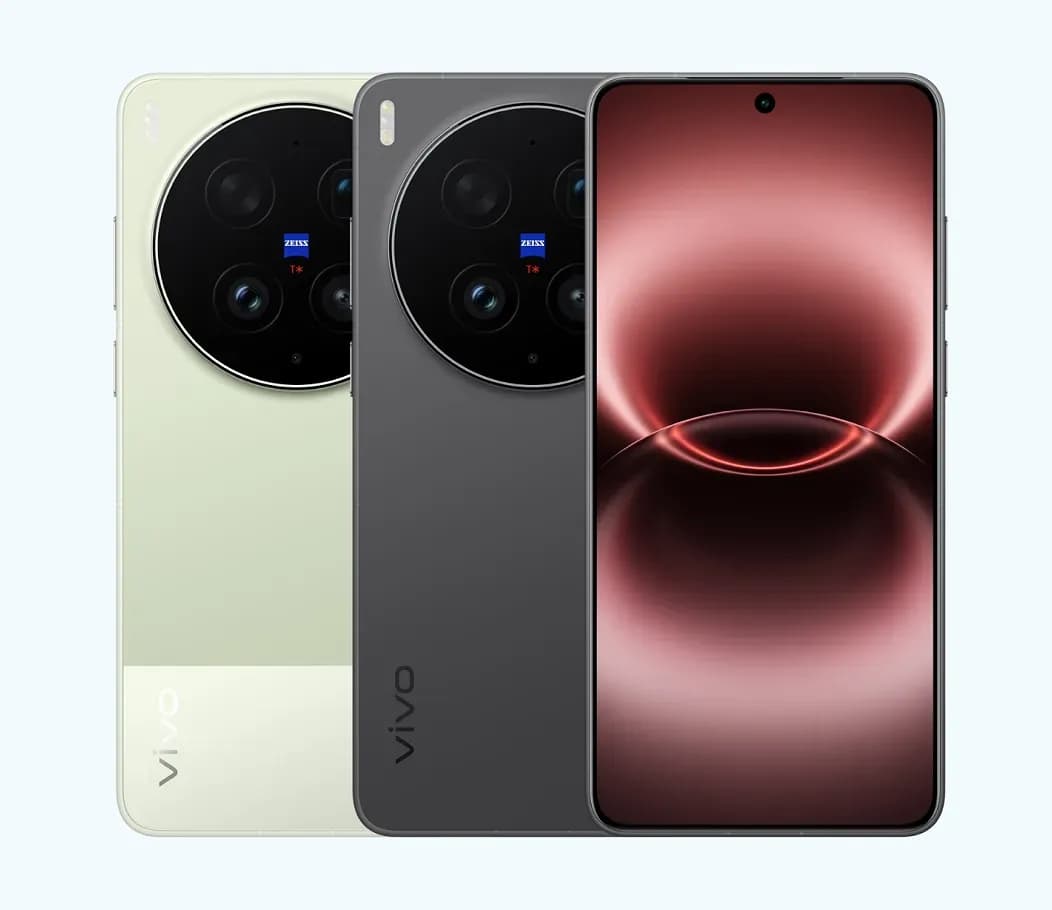
Insights•May 15, 2026
Vivo V300 Series Camera Features & ZEISS Lens Technology Explained
There seems to be a tipping point within mid-range smartphones. Where good enough cameras were adequate for social media posts, now professionals demand DSLR-quality shots. The Vivo V300 Series is one step ahead of the curve by offering co-engineered ZEISS imaging solutions in their multiple offerings. Here we take a closer look at the Vivo V300, V300 Pro, and V300 Lite/e, with an emphasis on the unique lens specifications that make them great buys for photography enthusiasts. **Vivo V300 Pro: The Portrait Pro** This is definitely the flagship of the trio, equipped with the famous Triple-50MP solution that is not often seen in mid-range phones since it guarantees that there are no "filler" lenses. **Lenses Overview:** Main Lens (50MP): Features Sony IMX921 sensor and Optical Image Stabilization (OIS). The aperture value is f/1.88 - excellent for absorbing more light in low light conditions (street photography at night). Portrait Telephoto Lens (50MP): A real innovation! A ZEISS camera with 50mm focal length. Why is it so significant? Because it is used for human portraits since its field of view is the same as the one we have naturally. Wide-Angle Lens (50MP): A lens with 119° FOV which allows capturing group shots or landscapes without those annoying distortions that usually occur in cheaper 8MP ultra-wides. ZEISS Implementation: The V300 Pro model utilizes ZEISS T Coating*. This will help you avoid any "ghosting" and other problems with flare in case you need to shoot against bright lights – useful for nighttime vlogging. **Vivo V300: The Versatile Performer** While being more affordable, the standard Vivo V300 has the necessary hardware for creating stunning images. Lenses Overview: Main Sensor (50MP): It's called VCS (Vivo Camera Bionic Spectrum). Its main selling point is the ability to capture colors just like you see them a definite requirement when it comes to photography for e-commerce (jewelry, for example). Ultra-Wide Sensor (50MP): Exactly the same as in the Pro model, hence the 50MP resolution for capturing wide-angle shots with no distortions. Front-Facing Camera (50MP): Vivo's standard 50MP AF Group Selfie camera with 92° wide-angle lens is among the best available on the market in 2026 the perfect choice for vlogging. Vivo V300e / Lite: The Sleek and Budget-Friendly Model The "e" model was made for those people who need the same features but have lower budgets. **Lenses Overview:** Main Camera (50MP): The Sony IMX882 is used, although it is somewhat smaller than in the Pro model. Nonetheless, it provides the optical image stabilization for smoother videos. Secondary Bokeh Lens (2MP): It is mainly used for depth mapping to blur the background during portraits. Technical Comparison Table Feature V300 Pro V300 V300e Main Sensor 50MP (Sony IMX921) 50MP (VCS True Color) 50MP (Sony IMX882) Telephoto 50MP (ZEISS 50mm) N/A N/A Ultra-Wide 50MP 50MP 8MP Selfie 50MP AF 50MP AF 32MP Special Feature ZEISS T* Coating Aura Light 3.0 Aura Light **Why the V300 is a "Creator's Tool"** For a Content creator, your phone becomes the office. Here's why the V300 Series is perfect for photography enthusiasts: Aura Light 3.0: It works as a built-in ring light. It is convenient for both photographing items and recording tutorials with the proper lighting. 4K Stability: They all offer great camera quality, but the OIS feature in Pro and standard models makes them great for handheld vlogging, even without a gimbal. Sustained Battery: With 80W Fast Charging, they can easily get fully charged while you grab a coffee. Do let us know which one do you like the most
3 min read

Guides•May 10, 2026
Forget Apple AirTag This Smart Tracker Has a Screen
Who doesn't hate it when you misplace your keys or when you cannot find your baggage on the conveyer belt after getting off a long flight? Now imagine your tracker can also make a great fashion accessory. Introducing: PhotoTag E Ink Bluetooth Tracker Tag the next generation smart tag that pairs an Apple Find My technology with a customizable display that will make your lost item easier to find and make it look cool while doing it. PhotoTag E Ink Bluetooth Tracker Tag **₹9,435** **A Stylish Smart Tag with a Built-In Display** While most Bluetooth trackers have almost identical design a small disc made of plastic with zero style whatsoever PhotoTag takes a completely different approach. **Namely, it comes with a built-in E Ink display that lets you customize your smart tracker by adding:** Photos Drawings QR codes Phone number Emoji characters So not only you are using a tracker, but you are also proudly carrying a personal gadget that looks really cool! **You can use PhotoTag to attach it to:** Luggage tags with your name and phone number to make it easier to get your luggage back after a busy flight Car key chains with a logo of your car dealership Backpacks with photos of your favorite anime heroes or animals Pet collars with an emergency contact Imagine AirTag turned into a digital smart gadget. How would you like that? **Apple Find My Support** What is even better about this Bluetooth tracker is that it integrates with Apple's famous Find My Network, which includes more than a million devices that can help you locate your lost item anonymously and safely. So no matter if you forget your bag in an airport, cafe, or any other crowded place, you'll be able to track your item through the Find My app installed on your iPhone. **All you have to do is:** Connect it to your smartphone Put it on whatever you'd like to track Locate your object whenever you need No additional apps required. Simple and straightforward. From Tracker to Digital Identification Tag This is when PhotoTag becomes really useful. Yes, it is a tracker, but it also allows you to display information that would let other people help you in case you lose your item, such as: Phone number E-mail QR codes **Contact information in case of an emergency situation** In other words, PhotoTag will not just help you to find your things, but it will also make other people help you by returning your lost items faster. Designed for Everyday Use Don't worry, although it may seem like some science fiction gadget, **PhotoTag was designed to be used in everyday life. It has:** Bluetooth 5.2 connectivity support Distance of up to 100 meters (328 feet) when in the open air Replaceable CR2032 battery Long battery life of up to 10 months Waterproof design **Loud sound that can help you to localize your item if it is hidden under your sofa cushion or inside your suitcase** So if your bag got lost somewhere in the airport, you can make your gadget ring and easily find it back. What Makes It More Cool Than a Typical AirTag? Well, AirTag is just useful, while PhotoTag can be considered as cool. Since it provides: Smart tracking Personalization Stunning design Extra features for travelers Gadget experience The E Ink display gives this device a bit cyberpunk aesthetic that immediately distinguishes it among other trackers. **The best thing is that people will definitely notice and ask about your stylish smart gadget.** “Yeah... your tracker has a display?” And yes, it is pretty fun. Perfectly Fits Travelers The main purpose of PhotoTag is to serve as a tracker for travelers who always risk losing their luggage somewhere during flights. By uploading all your necessary contacts onto the display, you will make it harder for anyone to keep your item away from you. It can quickly turn into one of the essential accessories of any trip. **Conclusion** PhotoTag E Ink Bluetooth Tracker Tag is the perfect example of how useful gadget can also be fun. You don't just use it to find your items; you also use it to personalize your experience with a tracker by making your smart tag stand out from the rest of the crowd. So if you like gadgets, travel accessories, or other smart tech accessories, PhotoTag might be one of the coolest gadgets you can own.
4 min read

Guides•Apr 27, 2026
Don’t buy a smartphone before checking this list, you might miss the best budget options.
It doesn't matter whether you have already decided to buy a smartphone worth about 20K or are looking for a replacement for an old one, it's equally fun! After all, today's sub-₹20K segment is rich in amazing smartphones featuring 5G, AMOLED screens, high refresh rates, and even premium SoCs! If you need advice about: best smartphone under ₹20,000 best gaming smartphone under ₹20,000 best camera smartphone under ₹20,000 You are in luck! We've made a comprehensive guide where you will find top devices of each major manufacturer and even some extra budget smartphones up to ₹25K. Best Smartphones Under ₹20,000 (2026) **iQOO Z9 5G** One of the best gaming smartphones available today under ₹20K. Powerful MediaTek Dimensity 7200 AMOLED display, 120Hz refresh rate Amazing multitasking capabilities and speed Good for: Gaming and demanding tasks Tip: You won't find any better phone within ₹20K! **Redmi Note 13 5G** Are you looking for an all-rounder? You cannot go wrong! Good enough performance to do basic things Beautiful AMOLED screen Reliable build with great design Good for: Regular usage and casual games Why choose it: It cannot really disappoint! **Realme Narzo 70 Pro** This one is perfect for photography fans! Sony camera sensor providing good portraits and shooting in low light conditions Modern design and good looks Smooth daily performance Good for: Everyone who cares about cameras What to expect: High level of camera quality in comparison with price. **Samsung Galaxy M35** Are you suffering from battery anxiety? This phone can help! Extremely large battery that provides good life span throughout the day Clean and functional One UI Reliable updates and support Good for: People who hate having to charge their smartphones often Why you should choose it: This phone has a lot of juice! **Poco X6** You are getting the maximum number of features with minimum money! Superfast Snapdragon SoC Bright and punchy AMOLED screen Gaming and streamings oriented smartphone Good for: Budget gamers, power users Why it is great: You get a lot out of your money. **OnePlus Nord CE 4 ** The best budget choice for Android lovers craving for the cleanest interface. Very good OxygenOS Premium design and good build quality Reliably works well and fast on daily tasks Good for: UI fans and OnePlus loyalists Attention: Not so good at gaming. **Moto G84 / G85** Don't like lots of pre-installed apps? This one is a great fit for you! Stock-like Android without bloatware Minimalistic interface Good screen and design Good for: Purists of Android and minimalists Why choose it: Nothing else. **Bonus Pick: Best Budget Smartphones Under ₹25,000** There are plenty of options when you stretch your budget to ₹25K, giving you almost flagship smartphones! iQOO Neo series: Powerful processor, excellent for gaming. Redmi Note 14 Pro: Amazing 200 MP camera. OnePlus Nord 5: Better performance and clean UI. Poco X7 Pro: Superfast smartphone. Moto Edge series: Almost flagship experience, pure Android. **So, Which Smartphone Should You Buy?** Here's a handy table which gives the answer: Best gaming smartphone under ₹20K: iQOO Z9 5G or Poco X6 Best camera smartphone under ₹20K: Narzo 70 Pro Best battery smartphone under ₹20K: Galaxy M35 Best smartphone under ₹20K with clean interface: Moto or OnePlus Best budget smartphone under ₹20K: Poco X6 **My Opinion**Then, what should you remember?There’s never “the best smartphone,” but there will be “the best smartphone for you”It’s possible to find decent smartphones even below ₹20KMoreover, spending up to ₹25K would bring you close to the flagship levelNever think that just having nice features and specifications guarantees quality purchaseconsider your personal needs first!But If I recommend something from my choice is ONEPLUS Nord 5
3 min read
News•Apr 22, 2026
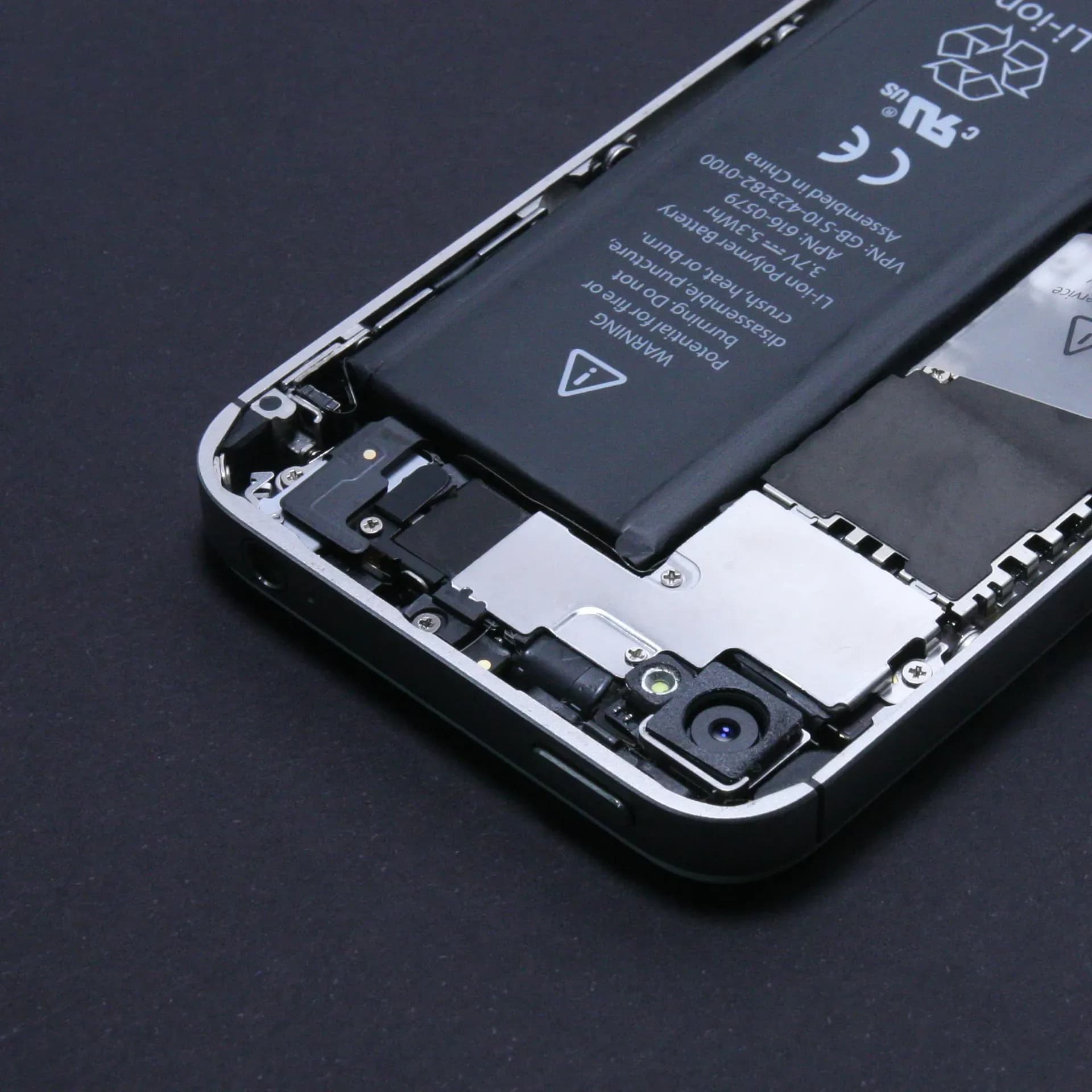
🇪🇺 EU’s Removable Battery Law for Smartphones, Will India get benefit too ?
The smartphone industry is set to see one of its most revolutionary design changes in recent history. The European Union (EU) has recently brought out new regulations that will potentially bring back a highly-loved feature replaceable batteries. But why is the EU doing this? And what does it mean for India? 🔋 What Is EU’s Battery Law? The Battery Regulation (2023/1542) has been passed by the EU to improve the durability and reparability of electronic products. Key Points of the law: From 18th February 2027, all smartphones must have easy-to-replace batteries Easy replacement of the battery should be done with the help of basic tools The battery of a phone should not be damaged during replacement Availability of spare batteries for a long period post-launch Higher quality phones with increased lifespan and improved repair ability **One important thing to understand:** This doesn't imply the use of older-style removable batteries, but simply easy replaceability. **Why Is the EU Enacting This Law?** As per the EU, the aim of introducing this regulation is clear. The issues faced today include: Smartphone batteries are mostly sealed Poor performance of batteries leads to the purchase of new smartphones Expensive and complex repairs are required The goals of the regulation are: Increased lifespan of smartphones Cheaper repairs Reduction of environmental impact In fact, it is estimated to result in massive savings and reduce waste by a huge amount. 📱 How Will This Change Smartphone Design? This new law will put pressure on companies such as Apple and Samsung to redesign smartphones. **Expected Changes:** Slight change in thickness for easier battery access Replacement of glue by modularity Easier opening of the smartphone body Strict battery health standards (up to 80% performance after hundreds of charges) **NOTE:** No full-on return to 2010s-style pop-out batteries. New designs will keep the modern feel but will become easier to open. 🌍 Will This Have Any Impact on India? Short answer: Yes, but not directly at first. Global Product Design Strategy All major manufacturers design products in one way only. If the product is re-designed for one country, The same product will eventually reach other countries too For example, the introduction of USB-C chargers worldwide came through the EU regulation. India Is Already Considering Similar Steps India is following suit, albeit slowly. "Right To Repair" is currently under discussion Increased awareness regarding reducing e-waste Introduction of policies promoting longevity of the device While India hasn't regulated the removal of batteries yet, the direction is similar. **Reality of Indian Market** Price sensitivity is very high in India, which means: Cheaper battery replacements are always good Increasing lifespan increases value for customers Which makes it highly likely for such laws to have an impact on Indian phones. **Possible Issues & Solutions** Not everything can be achieved in a single step. Possible cons of the law: Slightly bulking up the phone Less resistance against water ingress (in some cases) Lack of design flexibility for ultra-thin smartphones Manufacturers are currently addressing the problem to balance repairability and design. **Will This Regulation Apply to India?** Highly likely scenario: Indirectly applied by 2027-2028 Phone manufacturers will automatically make phones more repairable in India **Longer term:** Possibly an Indian regulation in the future As e-waste becomes a pressing problem **Conclusion** EU's battery regulation will be the first step towards changing how phones work for good. We will move away from the current use and throw system, and towards one where: Phones will be usable for longer periods of time Repairs will become easier Consumers will get more choice and freedom
3 min read
Insights
Insights•Jun 9, 2026
Apple's "Introducing Siri AI : Truly Helpful. Truly Yours.": Why This Could Be Apple's Biggest Software Leap in Years
Apple events have always carried a certain kind of excitement. Whether it's a new iPhone, a redesigned MacBook, or a surprise "one more thing," millions of people tune in expecting Apple to show not just what technology can do today, but where it's headed tomorrow. This year's WWDC feels different. The headline isn't a shiny new gadget. Instead, Apple is betting on something much bigger: artificial intelligence. With the tagline **"Introducing Siri AI. Truly Helpful. Truly Yours."**, Apple is signaling a complete rethink of Siri and the broader Apple experience. And if the company delivers on its promises, this could be one of the most important software updates in Apple's history. A Long Road to This Moment Let's be honest. For years, Siri felt like it was falling behind. While ChatGPT, Gemini, and Claude became capable of holding conversations, generating content, and solving complex problems, Siri often struggled with simple requests. Many Apple users found themselves turning to third-party AI tools instead of Apple's own assistant. Apple knew this. That's why the company spent the last two years rebuilding its AI strategy around what it calls **Apple Intelligence**, culminating in the launch of an entirely new Siri AI experience. What Makes Siri AI Different? The new Siri isn't just a voice assistant anymore. Apple says Siri AI can understand your personal context, remember information across apps, and help complete tasks more naturally. Instead of simply answering questions, it aims to become a digital assistant that actually understands what you're trying to accomplish. Imagine saying: *"Show me the address Sarah texted me last week."* Or: *"Find that photo I took at the restaurant in Mumbai and send it to my brother."* The new Siri AI is designed to search through messages, emails, photos, notes, and other content on your device to help complete these requests. Apple is also bringing: Better conversational abilities Deeper app integration On-screen awareness Web-powered answers More expressive voices Multi-step task handling These are features users have been requesting for years. The SDK Announcement Could Be the Real Game Changer While most headlines focus on Siri AI, developers should pay close attention to the SDKs and APIs Apple is opening up. Historically, Siri was fairly restricted. Developers could only integrate a limited set of actions. Now Apple appears to be giving developers deeper access to Apple Intelligence capabilities and broader system actions. This means third-party apps may be able to work with Siri in ways that weren't possible before. Think about the possibilities: Travel apps planning complete itineraries Shopping apps creating personalized recommendations Productivity apps automating workflows Health apps delivering intelligent insights Creative apps generating content directly inside the Apple ecosystem If Apple executes well, Siri could evolve from an assistant into an intelligent layer that sits across every app on your device. That's potentially more impactful than any individual hardware launch. Looking Back: WWDC's Biggest Software Moments To understand why this matters, it's worth remembering what WWDC has historically introduced. Over the years, Apple used WWDC to unveil: The App Store iCloud Apple Silicon transition Swift programming language Widgets Apple Intelligence Vision Pro software platform Many of these announcements didn't seem revolutionary on day one.But they reshaped entire ecosystems over time. **The App Store created a multi-billion-dollar developer economy.** **Apple Silicon transformed Mac performance.** **Swift changed how developers build applications.** **Siri AI could become the next chapter in that story.** **Privacy: Apple's Biggest AI Advantage** One thing Apple keeps emphasizing is privacy. Unlike some AI platforms that rely heavily on cloud processing, Apple says much of its intelligence architecture is designed around protecting user data and keeping personal information secure. That's important because AI assistants become far more useful when they understand your messages, emails, photos, reminders, calendar events, and habits.The challenge is doing that without compromising privacy.Apple believes its approach can deliver both.Whether consumers agree remains to be seen. **What I Expect Over the Next Year** The first version of Siri AI probably won't be perfect. No major AI system is. But I expect three things: **1 Siri will finally become genuinely useful** (Not just for timers and alarms.) **2 Developers will build surprising experiences** The SDK announcements may end up creating the most exciting innovations, especially once third-party developers begin experimenting. **3 Apple will make AI feel less intimidating** Apple's strength has never been inventing technology first.Its strength is making technology accessible to everyday people. If Siri AI can bring advanced AI capabilities to hundreds of millions of users in a simple and trustworthy way, Apple could dramatically accelerate mainstream AI adoption. **Final Thoughts** For years, Siri was often the punchline in conversations about AI assistants. Now Apple is trying to change that narrative. **"Truly Helpful. Truly Yours."** isn't just a marketing slogan. It's a statement of intent. Apple wants Siri to become something far more personal, more intelligent, and more useful than ever before.Whether Siri AI lives up to that promise remains the biggest question.But for the first time in a long time, it feels like Apple isn't merely updating Siri.It's rebuilding it from the ground up.And that makes this one of the most interesting Apple announcements we've seen in years.
4 min read
Insights•May 15, 2026
Vivo V300 Series Camera Features & ZEISS Lens Technology Explained
There seems to be a tipping point within mid-range smartphones. Where good enough cameras were adequate for social media posts, now professionals demand DSLR-quality shots. The Vivo V300 Series is one step ahead of the curve by offering co-engineered ZEISS imaging solutions in their multiple offerings. Here we take a closer look at the Vivo V300, V300 Pro, and V300 Lite/e, with an emphasis on the unique lens specifications that make them great buys for photography enthusiasts. **Vivo V300 Pro: The Portrait Pro** This is definitely the flagship of the trio, equipped with the famous Triple-50MP solution that is not often seen in mid-range phones since it guarantees that there are no "filler" lenses. **Lenses Overview:** Main Lens (50MP): Features Sony IMX921 sensor and Optical Image Stabilization (OIS). The aperture value is f/1.88 - excellent for absorbing more light in low light conditions (street photography at night). Portrait Telephoto Lens (50MP): A real innovation! A ZEISS camera with 50mm focal length. Why is it so significant? Because it is used for human portraits since its field of view is the same as the one we have naturally. Wide-Angle Lens (50MP): A lens with 119° FOV which allows capturing group shots or landscapes without those annoying distortions that usually occur in cheaper 8MP ultra-wides. ZEISS Implementation: The V300 Pro model utilizes ZEISS T Coating*. This will help you avoid any "ghosting" and other problems with flare in case you need to shoot against bright lights – useful for nighttime vlogging. **Vivo V300: The Versatile Performer** While being more affordable, the standard Vivo V300 has the necessary hardware for creating stunning images. Lenses Overview: Main Sensor (50MP): It's called VCS (Vivo Camera Bionic Spectrum). Its main selling point is the ability to capture colors just like you see them a definite requirement when it comes to photography for e-commerce (jewelry, for example). Ultra-Wide Sensor (50MP): Exactly the same as in the Pro model, hence the 50MP resolution for capturing wide-angle shots with no distortions. Front-Facing Camera (50MP): Vivo's standard 50MP AF Group Selfie camera with 92° wide-angle lens is among the best available on the market in 2026 the perfect choice for vlogging. Vivo V300e / Lite: The Sleek and Budget-Friendly Model The "e" model was made for those people who need the same features but have lower budgets. **Lenses Overview:** Main Camera (50MP): The Sony IMX882 is used, although it is somewhat smaller than in the Pro model. Nonetheless, it provides the optical image stabilization for smoother videos. Secondary Bokeh Lens (2MP): It is mainly used for depth mapping to blur the background during portraits. Technical Comparison Table Feature V300 Pro V300 V300e Main Sensor 50MP (Sony IMX921) 50MP (VCS True Color) 50MP (Sony IMX882) Telephoto 50MP (ZEISS 50mm) N/A N/A Ultra-Wide 50MP 50MP 8MP Selfie 50MP AF 50MP AF 32MP Special Feature ZEISS T* Coating Aura Light 3.0 Aura Light **Why the V300 is a "Creator's Tool"** For a Content creator, your phone becomes the office. Here's why the V300 Series is perfect for photography enthusiasts: Aura Light 3.0: It works as a built-in ring light. It is convenient for both photographing items and recording tutorials with the proper lighting. 4K Stability: They all offer great camera quality, but the OIS feature in Pro and standard models makes them great for handheld vlogging, even without a gimbal. Sustained Battery: With 80W Fast Charging, they can easily get fully charged while you grab a coffee. Do let us know which one do you like the most
3 min read

Insights•Mar 25, 2026
Grand Theft Auto VI: Everything Rockstar Has Revealed, and Why the Wait Feels So Long
Big games take time there’s no way around it. Modern titles like Grand Theft Auto VI are not just games; they are massive, complex projects involving thousands of developers, years of planning, and cutting edge technology. From writing and voice acting to world design and AI systems, every piece has to come together perfectly. And yet, despite understanding this, fans often feel something very different: “Just release it already even if it has bugs, we’ll deal with it.” That tension between development reality and player impatience is at the heart of the GTA 6 conversation. Rockstar Games stands right in the middle of this. Known for taking its time and delivering polished, genre defining experiences, the studio is now working on one of the most anticipated games ever. GTA 6 is not just another sequel it’s a project carrying over a decade of expectations. In this blog, we’ll explore everything Rockstar has officially launched and confirmed so far, while also understanding why this game is taking so long and why that might actually be a good thing. **Rockstar’s Official Confirmation: The Journey Begins** In February 2022, Rockstar Games officially confirmed that the next Grand Theft Auto title was in development. The announcement was short and simple, stating that the project was “well underway.” For fans, this moment was huge. After years of rumors, leaks, and endless speculation, Rockstar finally acknowledged GTA 6. However, the announcement also made one thing clear: this was going to be a long journey. Unlike many studios that reveal games early and release them quickly, Rockstar follows a different approach. It reveals projects only when they reach a certain level of maturity. This means that even at the time of announcement, GTA 6 was already deep into development. **The First Official Trailer (2023): Breaking the Internet** In December 2023, Rockstar released the first official trailer for GTA 6 and it instantly became a global event. Within hours, the trailer broke records across platforms, becoming one of the most viewed and discussed gaming videos ever. Fans analyzed every second, every frame, and every detail. **What the Trailer Revealed:** Return to Vice City GTA 6 brings players back to Vice City, Rockstar’s iconic version of Miami. However, this is not just a remake it’s a modern reimagining. The city looks bigger, more detailed, and more alive than ever before. The State of Leonida Rockstar confirmed that the game is set in the fictional state of Leonida, inspired by Florida. This includes not just Vice City, but also surrounding areas like swamps, highways, and smaller towns. Lucia : A New Kind of Protagonist For the first time in GTA history, a female protagonist takes center stage. Lucia appears to be a strong, complex character with a criminal past. Dual Protagonist System Lucia is joined by a male partner, and their relationship seems central to the story. The dynamic appears inspired by a Bonnie and Clyde style partnership, suggesting a more emotional and character driven narrative. A Modern, Social Media Driven World One of the most striking elements of the trailer is its focus on modern culture. Viral videos, live streams, and social media clips are woven into the world, making it feel current and relatable. **Graphics and Realism: A True Next Gen Experience** Even from the trailer alone, it’s clear that GTA 6 represents a major leap in visual fidelity. Highly detailed character models Realistic lighting and reflections Dense, populated environments Improved animations and physics The world feels alive in a way that goes beyond previous GTA titles. NPCs react more naturally, environments look dynamic, and the overall presentation feels closer to reality than ever before. This level of detail is one of the main reasons development takes so long. Every building, street, and character must be carefully crafted. **Why GTA 6 Is Taking So Long** This is where the conversation becomes more interesting and more real. Fans often say, “Just release it now, even if it has bugs we’ll manage.” But in reality, games like GTA 6 cannot afford that kind of launch. Scale and Complexity GTA 6 is expected to be one of the largest and most detailed open world games ever created. Building such a world requires years of work, testing, and refinement. Rockstar’s Reputation Rockstar is known for polished, high quality releases. A buggy or incomplete launch could damage its reputation significantly. Lessons from the Industry The gaming industry has seen several high profile launches that were rushed and filled with bugs. While some of those games recovered over time, their initial reception suffered greatly. Rockstar appears determined to avoid that scenario. Player Expectations Ironically, the same fans who say “we’ll manage bugs” are often the first to criticize when a game releases in a broken state. Expectations for GTA 6 are extremely high, leaving little room for mistakes. **The Emotional Side of the Wait** The wait for GTA 6 is not just about time it’s about anticipation. GTA V was released in 2013. By the time GTA 6 launches in 2025, more than a decade will have passed. For many players, that’s a significant portion of their gaming life. During this time: Players have grown up Gaming technology has evolved Expectations have increased This long gap has created a unique situation where hype continues to build year after year. Every small update becomes a major event. **Expected Gameplay Improvements** While Rockstar has not released full gameplay details, the trailer and industry trends suggest several improvements: Smarter AI NPCs are expected to behave more realistically, reacting to the player and environment in dynamic ways. More Interactive World From shops to streets, the game world may offer deeper interactions than ever before. Expanded Activities Side missions, random events, and mini games are likely to be more diverse and engaging. Enhanced Police and Crime Systems Law enforcement behavior could be more advanced, making crime and escape more strategic. **Release Window and Platforms** Rockstar has officially confirmed that GTA 6 will release in 2025. Confirmed Platforms: PlayStation 5 Xbox Series X|S A PC version has not been confirmed at launch, but based on Rockstar’s history, it may arrive later. **The Bigger Picture: More Than Just a Game** GTA 6 is not just another title it’s an industry defining release. When it launches, it will likely: Set new benchmarks for open world games Influence future game design Drive console sales Dominate online and streaming platforms Few games have the power to shape the industry the way GTA 6 does. **What Rockstar Still Hasn’t Revealed** Despite all the excitement, many details remain unknown: Full gameplay mechanics Online mode (GTA Online’s future) Map size and additional cities Pricing and editions Post launch content Rockstar is known for revealing information slowly, so more updates are expected closer to release. **Conclusion** GTA 6 represents the future of open world gaming, but it also highlights a key truth: great games take time. Yes, fans are impatient. Yes, many would happily play a buggy version today. But history shows that rushed releases often lead to disappointment. Rockstar seems committed to doing things its way slowly, carefully, and with a focus on quality. The wait may feel long, but it’s part of what makes the final release so impactful. When GTA 6 finally arrives, it won’t just be another game it will be a moment.
6 min read
Guides
Guides•May 10, 2026
Forget Apple AirTag This Smart Tracker Has a Screen
Who doesn't hate it when you misplace your keys or when you cannot find your baggage on the conveyer belt after getting off a long flight? Now imagine your tracker can also make a great fashion accessory. Introducing: PhotoTag E Ink Bluetooth Tracker Tag the next generation smart tag that pairs an Apple Find My technology with a customizable display that will make your lost item easier to find and make it look cool while doing it. PhotoTag E Ink Bluetooth Tracker Tag **₹9,435** **A Stylish Smart Tag with a Built-In Display** While most Bluetooth trackers have almost identical design a small disc made of plastic with zero style whatsoever PhotoTag takes a completely different approach. **Namely, it comes with a built-in E Ink display that lets you customize your smart tracker by adding:** Photos Drawings QR codes Phone number Emoji characters So not only you are using a tracker, but you are also proudly carrying a personal gadget that looks really cool! **You can use PhotoTag to attach it to:** Luggage tags with your name and phone number to make it easier to get your luggage back after a busy flight Car key chains with a logo of your car dealership Backpacks with photos of your favorite anime heroes or animals Pet collars with an emergency contact Imagine AirTag turned into a digital smart gadget. How would you like that? **Apple Find My Support** What is even better about this Bluetooth tracker is that it integrates with Apple's famous Find My Network, which includes more than a million devices that can help you locate your lost item anonymously and safely. So no matter if you forget your bag in an airport, cafe, or any other crowded place, you'll be able to track your item through the Find My app installed on your iPhone. **All you have to do is:** Connect it to your smartphone Put it on whatever you'd like to track Locate your object whenever you need No additional apps required. Simple and straightforward. From Tracker to Digital Identification Tag This is when PhotoTag becomes really useful. Yes, it is a tracker, but it also allows you to display information that would let other people help you in case you lose your item, such as: Phone number E-mail QR codes **Contact information in case of an emergency situation** In other words, PhotoTag will not just help you to find your things, but it will also make other people help you by returning your lost items faster. Designed for Everyday Use Don't worry, although it may seem like some science fiction gadget, **PhotoTag was designed to be used in everyday life. It has:** Bluetooth 5.2 connectivity support Distance of up to 100 meters (328 feet) when in the open air Replaceable CR2032 battery Long battery life of up to 10 months Waterproof design **Loud sound that can help you to localize your item if it is hidden under your sofa cushion or inside your suitcase** So if your bag got lost somewhere in the airport, you can make your gadget ring and easily find it back. What Makes It More Cool Than a Typical AirTag? Well, AirTag is just useful, while PhotoTag can be considered as cool. Since it provides: Smart tracking Personalization Stunning design Extra features for travelers Gadget experience The E Ink display gives this device a bit cyberpunk aesthetic that immediately distinguishes it among other trackers. **The best thing is that people will definitely notice and ask about your stylish smart gadget.** “Yeah... your tracker has a display?” And yes, it is pretty fun. Perfectly Fits Travelers The main purpose of PhotoTag is to serve as a tracker for travelers who always risk losing their luggage somewhere during flights. By uploading all your necessary contacts onto the display, you will make it harder for anyone to keep your item away from you. It can quickly turn into one of the essential accessories of any trip. **Conclusion** PhotoTag E Ink Bluetooth Tracker Tag is the perfect example of how useful gadget can also be fun. You don't just use it to find your items; you also use it to personalize your experience with a tracker by making your smart tag stand out from the rest of the crowd. So if you like gadgets, travel accessories, or other smart tech accessories, PhotoTag might be one of the coolest gadgets you can own.
4 min read
Guides•Apr 27, 2026
Don’t buy a smartphone before checking this list, you might miss the best budget options.
It doesn't matter whether you have already decided to buy a smartphone worth about 20K or are looking for a replacement for an old one, it's equally fun! After all, today's sub-₹20K segment is rich in amazing smartphones featuring 5G, AMOLED screens, high refresh rates, and even premium SoCs! If you need advice about: best smartphone under ₹20,000 best gaming smartphone under ₹20,000 best camera smartphone under ₹20,000 You are in luck! We've made a comprehensive guide where you will find top devices of each major manufacturer and even some extra budget smartphones up to ₹25K. Best Smartphones Under ₹20,000 (2026) **iQOO Z9 5G** One of the best gaming smartphones available today under ₹20K. Powerful MediaTek Dimensity 7200 AMOLED display, 120Hz refresh rate Amazing multitasking capabilities and speed Good for: Gaming and demanding tasks Tip: You won't find any better phone within ₹20K! **Redmi Note 13 5G** Are you looking for an all-rounder? You cannot go wrong! Good enough performance to do basic things Beautiful AMOLED screen Reliable build with great design Good for: Regular usage and casual games Why choose it: It cannot really disappoint! **Realme Narzo 70 Pro** This one is perfect for photography fans! Sony camera sensor providing good portraits and shooting in low light conditions Modern design and good looks Smooth daily performance Good for: Everyone who cares about cameras What to expect: High level of camera quality in comparison with price. **Samsung Galaxy M35** Are you suffering from battery anxiety? This phone can help! Extremely large battery that provides good life span throughout the day Clean and functional One UI Reliable updates and support Good for: People who hate having to charge their smartphones often Why you should choose it: This phone has a lot of juice! **Poco X6** You are getting the maximum number of features with minimum money! Superfast Snapdragon SoC Bright and punchy AMOLED screen Gaming and streamings oriented smartphone Good for: Budget gamers, power users Why it is great: You get a lot out of your money. **OnePlus Nord CE 4 ** The best budget choice for Android lovers craving for the cleanest interface. Very good OxygenOS Premium design and good build quality Reliably works well and fast on daily tasks Good for: UI fans and OnePlus loyalists Attention: Not so good at gaming. **Moto G84 / G85** Don't like lots of pre-installed apps? This one is a great fit for you! Stock-like Android without bloatware Minimalistic interface Good screen and design Good for: Purists of Android and minimalists Why choose it: Nothing else. **Bonus Pick: Best Budget Smartphones Under ₹25,000** There are plenty of options when you stretch your budget to ₹25K, giving you almost flagship smartphones! iQOO Neo series: Powerful processor, excellent for gaming. Redmi Note 14 Pro: Amazing 200 MP camera. OnePlus Nord 5: Better performance and clean UI. Poco X7 Pro: Superfast smartphone. Moto Edge series: Almost flagship experience, pure Android. **So, Which Smartphone Should You Buy?** Here's a handy table which gives the answer: Best gaming smartphone under ₹20K: iQOO Z9 5G or Poco X6 Best camera smartphone under ₹20K: Narzo 70 Pro Best battery smartphone under ₹20K: Galaxy M35 Best smartphone under ₹20K with clean interface: Moto or OnePlus Best budget smartphone under ₹20K: Poco X6 **My Opinion**Then, what should you remember?There’s never “the best smartphone,” but there will be “the best smartphone for you”It’s possible to find decent smartphones even below ₹20KMoreover, spending up to ₹25K would bring you close to the flagship levelNever think that just having nice features and specifications guarantees quality purchaseconsider your personal needs first!But If I recommend something from my choice is ONEPLUS Nord 5
3 min read

Guides•Apr 21, 2026
The First 24 Hours With Your Apple Device: A Smart Setup Guide
Unboxing a new iPhone, iPad, or Mac is exciting but what you do next matters more than most people realize. A thoughtful setup doesn’t just improve performance; it protects your privacy, extends battery life, and shapes your daily experience. This guide walks you through the essentials what to enable, what to disable, and how to tailor your device so it actually works for you. ⚙️ **Part 1: Start With the Basics** Update Your Device Immediately Before anything else, update your system. Mac: System Settings → General → Software Update iPhone/iPad: Settings → General → Software Update These updates often fix hidden bugs, patch security vulnerabilities, and improve battery efficiency. Skipping this step is one of the most common mistakes new users make. Set Up Your Apple ID & iCloud Thoughtfully Your Apple ID is the backbone of your ecosystem. Enable only what you truly need: iCloud Drive (for files) Photos (if you use multiple Apple devices) Contacts, Notes, and Keychain (highly recommended) Be selective turning everything on by default can quietly consume storage and sync unnecessary data. Enable Find My (Non-Negotiable) Go to: Settings → Apple ID → Find My Turn on all options. If your device is ever lost or stolen, this feature becomes invaluable. It’s not just tracking its peace of mind. **🔒 Part 2: Lock Down Privacy & Security** Take Control of App Permissions Navigate to: Settings → Privacy & Security Turn App Tracking OFF Set Location Access to “While Using the App” Review Microphone & Camera access and remove anything unnecessary Many apps ask for more access than they need don’t grant it blindly. Strengthen Your Lock Screen Use Face ID / Touch ID Upgrade your passcode: iPhone: switch to a custom alphanumeric code Mac: use a strong, unique password Convenience is good security is better. Adjust Auto-Lock Settings iPhone: 30 seconds or 1 minute Mac: lock after 5 minutes This reduces risk if your device is left unattended. **⚡ Part 3: Optimize Battery & Performance** Limit Background Activity Go to Background App Refresh and turn it off for most apps. Keep it only for essentials like: Messaging apps Email Everything else can wait until you open it. Fine-Tune Battery Settings Enable: Optimized Battery Charging Low Power Mode (especially useful for heavy users) These small adjustments significantly extend battery lifespan over time. Clean Up Startup Apps (Mac Only) Go to: System Settings → General → Login Items Remove anything that doesn’t need to launch at startup. Fewer background processes = faster performance. 📲 Part 4: Improve Everyday Usability Declutter Notifications Turn OFF notifications for: Games Shopping apps Keep ON for: Banking Messaging Your attention is valuable protect it. Customize Control Center (iPhone) Add quick-access tools like: Screen Recording Low Power Mode Calculator This saves time daily, even if it seems minor. Tune Trackpad & Mouse (Mac) Enable: Tap to click Three-finger drag Natural scrolling (optional, but intuitive for many) These adjustments make navigation feel smoother and more responsive. **🧠 Part 5: Build a Productive Setup** Make Safari More Secure Go to: Settings → Safari Enable: Prevent Cross-Site Tracking Block Pop-ups A faster, cleaner browsing experience with better privacy. Learn Essential Keyboard Shortcuts (Mac) These are small, but transformative: Cmd + Space → Spotlight Cmd + Tab → Switch apps Cmd + Shift + 4 → Screenshot Mastering these saves hours over time. Use Focus Modes Intentionally Set up modes like: Work Sleep They filter distractions and help you stay in control of your time. **☁️ Part 6: Storage & Backup Strategy** Enable iCloud Backup Automatic backups ensure your data is safe even if your device isn’t. Optimize Storage Mac: Enable Optimize Mac Storage iPhone: Turn on Offload Unused Apps This keeps your device running smoothly without constant manual cleanup. **🔧 Part 7: Advanced Tweaks Most People Miss** Reduce Animations for Speed Go to: Accessibility → Motion → Reduce Motion This makes your device feel noticeably faster and more responsive. Enable Handoff & Continuity Seamlessly copy, paste, and switch tasks between Apple devices. Once you get used to it, it’s hard to go back. Secure AirDrop Set AirDrop to Contacts Only. It’s a simple step that prevents unwanted file requests from strangers. **🎯 Bonus: Power User Essentials** If you want to go beyond the basics: Raycast → A powerful alternative to Spotlight Notion → Flexible workspace for notes, tasks, and planning Google Chrome → Useful if you rely on extensions 🧾 The Rule That Ties It All Together ❌ Disable what you don’t use 🔒 Protect your privacy by default ⚡ Minimize background activity 🧠 Customize for your workflow not someone else’s A well-configured device doesn’t just feel better it works better, lasts longer, and stays out of your way. Take an hour to set things up properly, and you’ll notice the difference every single day.
4 min read
News
News•Apr 22, 2026
🇪🇺 EU’s Removable Battery Law for Smartphones, Will India get benefit too ?
The smartphone industry is set to see one of its most revolutionary design changes in recent history. The European Union (EU) has recently brought out new regulations that will potentially bring back a highly-loved feature replaceable batteries. But why is the EU doing this? And what does it mean for India? 🔋 What Is EU’s Battery Law? The Battery Regulation (2023/1542) has been passed by the EU to improve the durability and reparability of electronic products. Key Points of the law: From 18th February 2027, all smartphones must have easy-to-replace batteries Easy replacement of the battery should be done with the help of basic tools The battery of a phone should not be damaged during replacement Availability of spare batteries for a long period post-launch Higher quality phones with increased lifespan and improved repair ability **One important thing to understand:** This doesn't imply the use of older-style removable batteries, but simply easy replaceability. **Why Is the EU Enacting This Law?** As per the EU, the aim of introducing this regulation is clear. The issues faced today include: Smartphone batteries are mostly sealed Poor performance of batteries leads to the purchase of new smartphones Expensive and complex repairs are required The goals of the regulation are: Increased lifespan of smartphones Cheaper repairs Reduction of environmental impact In fact, it is estimated to result in massive savings and reduce waste by a huge amount. 📱 How Will This Change Smartphone Design? This new law will put pressure on companies such as Apple and Samsung to redesign smartphones. **Expected Changes:** Slight change in thickness for easier battery access Replacement of glue by modularity Easier opening of the smartphone body Strict battery health standards (up to 80% performance after hundreds of charges) **NOTE:** No full-on return to 2010s-style pop-out batteries. New designs will keep the modern feel but will become easier to open. 🌍 Will This Have Any Impact on India? Short answer: Yes, but not directly at first. Global Product Design Strategy All major manufacturers design products in one way only. If the product is re-designed for one country, The same product will eventually reach other countries too For example, the introduction of USB-C chargers worldwide came through the EU regulation. India Is Already Considering Similar Steps India is following suit, albeit slowly. "Right To Repair" is currently under discussion Increased awareness regarding reducing e-waste Introduction of policies promoting longevity of the device While India hasn't regulated the removal of batteries yet, the direction is similar. **Reality of Indian Market** Price sensitivity is very high in India, which means: Cheaper battery replacements are always good Increasing lifespan increases value for customers Which makes it highly likely for such laws to have an impact on Indian phones. **Possible Issues & Solutions** Not everything can be achieved in a single step. Possible cons of the law: Slightly bulking up the phone Less resistance against water ingress (in some cases) Lack of design flexibility for ultra-thin smartphones Manufacturers are currently addressing the problem to balance repairability and design. **Will This Regulation Apply to India?** Highly likely scenario: Indirectly applied by 2027-2028 Phone manufacturers will automatically make phones more repairable in India **Longer term:** Possibly an Indian regulation in the future As e-waste becomes a pressing problem **Conclusion** EU's battery regulation will be the first step towards changing how phones work for good. We will move away from the current use and throw system, and towards one where: Phones will be usable for longer periods of time Repairs will become easier Consumers will get more choice and freedom
3 min read

News•Mar 25, 2026
AI Arms Race Escalates as Nations Compete for Technological Dominance
A new kind of global rivalry is intensifying not over territory or traditional weapons, but over artificial intelligence. Governments around the world are rapidly investing in advanced AI systems, raising concerns about what experts are calling an emerging “AI war.” Unlike conventional conflicts, this competition is largely invisible to the public. It unfolds in research labs, data centers, and cybersecurity operations, where nations are racing to build more powerful algorithms capable of everything from autonomous defense systems to large-scale cyber operations. The United States, China, and the European Union remain at the forefront, each pursuing different strategies. The U.S. continues to rely heavily on private tech companies, while China integrates state-backed initiatives with vast data resources. Meanwhile, the EU is focusing on regulation and ethical AI development, aiming to balance innovation with safety. Military applications are a central concern. Autonomous drones, AI-assisted surveillance, and decision-making systems are already being tested or deployed in limited capacities. Defense analysts warn that increasing reliance on AI could shorten decision times in conflict scenarios, potentially raising the risk of unintended escalation. Cybersecurity is another major front. AI is being used both to launch sophisticated cyberattacks and to defend against them. This dual-use nature makes regulation particularly difficult, as the same technology can serve both civilian and military purposes. Experts are divided on how dangerous this competition could become. Some argue that AI advancements will act as a deterrent, similar to nuclear weapons during the Cold War. Others warn that the lack of clear international agreements makes the situation more unpredictable. “There’s no global framework governing AI in warfare,” said Dr. Elena Marquez, a technology policy researcher. “We’re seeing rapid development without the same level of coordination that existed for previous arms races.” Efforts are underway to address this gap. The United Nations and other international bodies have begun discussions on AI governance, including potential bans on fully autonomous lethal weapons. However, progress has been slow, as countries remain reluctant to limit technologies they see as strategically critical. As AI continues to evolve, the line between civilian innovation and military capability is becoming increasingly blurred. What remains clear is that the race for AI supremacy is not just about technology it’s about global power, security, and the future of warfare itself.
2 min read

News•Mar 17, 2026
POCO’s 2026 Smartphone Strategy — Performance, Power, and Aggressive Pricing
POCO is set to unveil a new range of performance-focused smartphones in India, continuing its well-established strategy of delivering high-end features at competitive prices. Over the years, the brand has built a strong reputation among tech enthusiasts for offering powerful hardware without the premium price tag, and its upcoming 2026 lineup appears to reinforce that identity. Among the most anticipated releases is the POCO X8 Pro series, which is expected to debut soon. The device has already generated significant buzz, with leaks and reports suggesting that it could be one of the most powerful smartphones in the mid-range segment. According to reports, the POCO X8 Pro is expected to be powered by the MediaTek Dimensity 8500 Ultra chipset. This positions the device as a strong contender in the performance-oriented mid-range category, where users are increasingly looking for flagship-like capabilities at more affordable prices. The smartphone is also rumored to feature a 120Hz AMOLED display, which would offer smooth scrolling, fluid animations, and an overall enhanced visual experience. High refresh rate displays have become a key selling point in recent years, particularly among gamers and users who consume a lot of multimedia content. In terms of photography, the device is expected to include a 50MP primary camera. While megapixel count is not the only factor that determines camera quality, it does indicate that POCO is aiming to deliver a capable imaging system that meets the expectations of modern users. Battery life is another area where the POCO X8 Pro is expected to excel. Reports suggest a battery capacity of up to 6,500mAh or more, along with fast charging support. This combination ensures that users not only get long-lasting performance but also the convenience of quick recharging when needed. The device is also expected to offer up to 16GB of RAM and 512GB of internal storage, further emphasizing its focus on performance and multitasking. These specifications are typically associated with flagship devices, which highlights POCO’s strategy of bringing premium features to a wider audience. Beyond the X8 Pro, POCO is reportedly working on expanding its lineup with additional models. These include the POCO X8 Pro Max, which may offer enhanced battery capacity and storage options, and the POCO F8 Pro, a device that could serve as a flagship killer with a high-end processor and advanced camera system. The F-series, in particular, has historically been one of POCO’s most successful product lines. It targets users who want top-tier performance without paying flagship prices, making it a strong competitor in the upper mid-range segment. The POCO X8 Pro series is expected to launch in March 2026, aligning with a busy period in India’s smartphone market. This timing could work in POCO’s favor, as consumer interest tends to be high during major release cycles. POCO’s aggressive pricing strategy will likely play a crucial role in determining the success of its new devices. By offering powerful specifications at competitive prices, the brand has consistently managed to disrupt the market and challenge established players. The upcoming lineup is expected to compete directly with devices from brands like Vivo, Realme, and iQOO, all of which are actively strengthening their presence in the mid-range and upper mid-range segments. From an industry perspective, POCO’s strategy reflects a broader trend in the smartphone market: the push toward bigger batteries, faster processors, and premium-like features at more accessible price points. As competition intensifies, manufacturers are being forced to offer better value to consumers. If POCO manages to maintain its balance between performance and affordability, it could further solidify its reputation as a “performance-first” brand in 2026. The X8 Pro series, along with its expanded lineup, has the potential to attract a wide range of users—from gamers to power users—who are looking for high performance without breaking the bank. In conclusion, POCO’s upcoming smartphones represent a continuation of its core philosophy: delivering maximum performance at minimum cost. If the rumored specifications and pricing strategies hold true, the brand could once again redefine expectations in the mid-range smartphone market.
4 min read
Reviews
Reviews•Mar 30, 2026
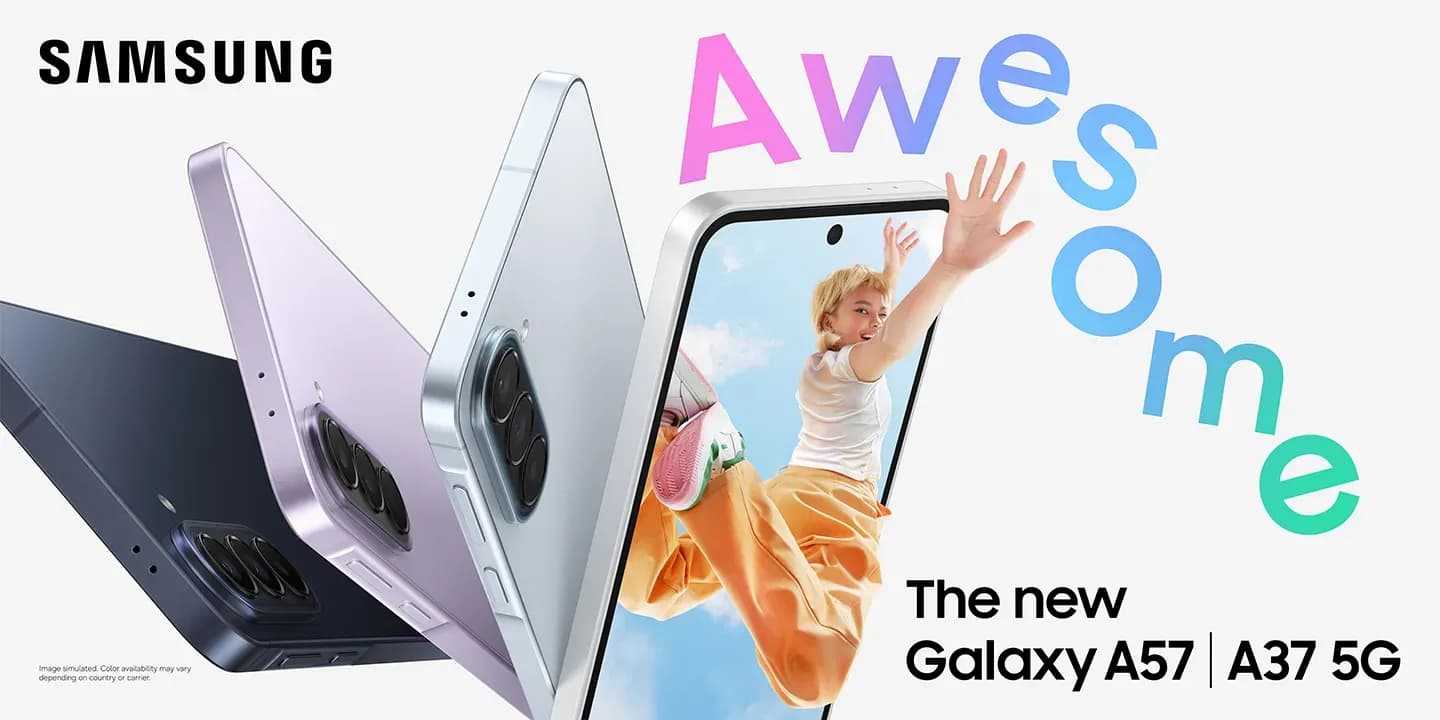
You’re Missing Out If You Haven’t Seen Samsung A57 Yet!
Samsung has built a reputation for delivering reliable, feature-packed smartphones across every price range, but its A-series is where the brand truly shines for everyday users. With the upcoming Samsung Galaxy A37 and Galaxy A57, the company is once again raising expectations for what mid-range smartphones can offer in 2026. If you’ve been searching for a phone that balances performance, design, camera quality, and price, these two models are already generating serious interest and for good reason. Let’s take a deeper, more exciting look at what makes the Galaxy A37 and A57 worth your attention. Samsung Galaxy A37 The Perfect Everyday Companion The Samsung Galaxy A37 is designed for users who want a dependable smartphone that feels modern, performs smoothly, and doesn’t drain their wallet. It’s not about flashy gimmicks it’s about getting everything right where it matters most. **A Display You’ll Love Using Daily** Samsung is known for its displays, and the A37 is expected to continue that legacy with a 6.5-inch AMOLED screen. This means vibrant colors, deep blacks, and excellent brightness levels—even under direct sunlight. What really elevates the experience is the likely 120Hz refresh rate, making scrolling, animations, and app transitions feel incredibly smooth. Whether you're browsing social media, watching videos, or reading articles, everything feels fluid and responsive. Smooth Performance Without the Stress Under the hood, the A37 is expected to feature an upgraded mid-range chipset that delivers reliable, lag-free performance. This isn’t a phone that struggles with everyday tasks it’s built to handle: Multitasking between apps Streaming high-quality videos Casual to moderate gaming Social media and productivity apps Combined with Samsung’s refined One UI, the software experience should feel clean, intuitive, and fast. You won’t need to constantly close apps or worry about slowdowns. **Camera That Keeps Up With Your Life** For many users, the camera is a deal-breaker and Samsung knows it. The A37 is expected to feature a triple-camera setup with a high-resolution main sensor. What does that mean for you? Sharper photos with better detail Improved low-light performance AI enhancements for smarter photography From quick selfies to scenic shots, the A37 should deliver results that look great without needing edits. **Battery That Lasts All Day (and Then Some)** Battery anxiety is real but the A37 aims to eliminate it. With a 5000mAh battery, you can expect a full day of heavy usage without constantly reaching for the charger. Add in fast charging support, and you’ll spend less time plugged in and more time using your phone. **Who Should Buy the Galaxy A37?** The A37 is perfect if you want a phone that simply works smoothly, reliably, and consistently. It’s ideal for students, professionals, and anyone who values practical performance over unnecessary extras. Samsung Galaxy A57. A Premium Experience Without the Premium Price If the A37 is about balance, the Samsung Galaxy A57 is about stepping things up. This model is designed for users who want a more powerful, feature-rich experience without jumping into flagship-level pricing. **A More Immersive Display** The A57 is expected to feature a larger, brighter AMOLED display with improved color accuracy and higher peak brightness. This makes a noticeable difference when: Watching movies or YouTube Playing games Using your phone outdoors Everything looks sharper, brighter, and more immersive. Power That Feels Future-Proof Performance is where the A57 truly separates itself. With a more advanced processor and increased RAM options, this device is built for: Heavy multitasking High-performance gaming Content creation (photo/video editing) This isn’t just a phone for today it’s a phone that will still feel fast and capable years down the line. **Camera System That Stands Out** The A57 is expected to deliver a significant upgrade in camera capabilities. Think sharper images, better stabilization, and more reliable performance in challenging lighting conditions. Features you can expect include: Enhanced optical image stabilization (OIS) Improved night photography More accurate colors and dynamic range If you rely on your phone as your primary camera, the A57 is clearly the better choice. **Premium Design That Feels Worth It** Samsung is likely to give the A57 a more refined design, possibly with slimmer bezels and higher-quality materials. It’s the kind of phone that not only performs well but feels premium in your hand. Extras like stereo speakers and improved durability could further enhance the experience, making it ideal for media lovers and power users. **Battery + Efficiency = Reliable Power** Despite its higher performance, the A57 should still offer excellent battery life. Thanks to a combination of a large battery and an efficient chipset, you can expect all-day usage without compromise. Fast charging ensures you can quickly top up and get back to what matters. **Who Should Buy the Galaxy A57?** If you want more power, better cameras, and a premium feel but still care about value the A57 is the clear winner. It’s perfect for users who push their phones harder and expect more in return. Galaxy A37 vs Galaxy A57. What’s the Real Difference? At first glance, these two phones may seem similar—but the differences become clear when you look closer. The Galaxy A37 focuses on delivering a smooth, reliable experience at a lower price point. It’s practical, efficient, and perfect for everyday use. The Galaxy A57, on the other hand, is built for users who want more more speed, more camera capability, and a more premium overall experience. **Here’s a simple way to decide:** Choose A37 if you want affordability and dependable performance Choose A57 if you want power, premium features, and longevity Both phones offer excellent value it just depends on how much you want to push your device. **Why These Phones Matter in 2026** The smartphone market is crowded, but Samsung’s A-series continues to stand out because it focuses on what users actually need. With the A37 and A57, Samsung is doubling down on: High-quality displays Reliable battery life Strong camera performance Smooth software experience These aren’t just specs they’re features that directly improve your daily experience. For users searching terms like “Samsung A37 specs,” “Galaxy A57 features,” or “best mid-range Samsung phone 2026,” these models are likely to dominate the conversation. **Final Thoughts Which One Should You Be Excited About?** The truth is, you can’t go wrong with either the Samsung Galaxy A37 or Galaxy A57. Both phones are designed to deliver strong value, modern features, and a user-friendly experience. If you want something affordable, reliable, and smooth the A37 will exceed expectations. If you want something more powerful, more refined, and closer to a flagship experience—the A57 is where things get exciting. Either way, Samsung is proving once again that you don’t need to spend a fortune to get a smartphone that feels fast, looks great, and keeps up with your lifestyle.
6 min read
Reviews•Mar 23, 2026
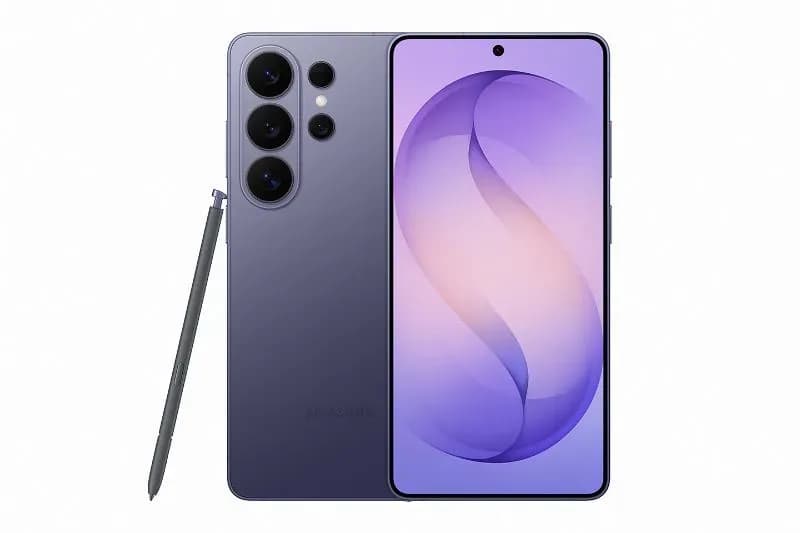
This ₹1L+ Phone Isn’t Worth It? Shocking Truth About S26 Ultra!
The Galaxy S26 Ultra is one of those devices that, on paper, feels almost impossible to criticize. It’s packed with bleeding-edge hardware, refined design choices, and software that’s clearly matured over years. Yet, something interesting is happening in the real world after a few days or weeks of use, a noticeable number of users are already reselling it. That contrast makes the S26 Ultra worth talking about beyond just specs. **First Impressions: A True Flagship** From the moment you pick up the S26 Ultra, it feels premium in every sense. The build is solid, the materials are top-tier, and Samsung has clearly refined the design language. The flat display (finally consistent across the Ultra line) is a welcome change, making it more practical for everyday use, especially with the S Pen. The display itself is stunning bright, sharp, and incredibly smooth. Whether you’re watching HDR content or just scrolling through apps, it delivers one of the best visual experiences available on any smartphone today. **Performance: Fast, But Almost Overkill** Powered by the latest chipset and paired with generous RAM, the S26 Ultra is undeniably fast. Apps open instantly, multitasking is effortless, and gaming performance is top-tier. But here’s the thing this level of performance is starting to feel excessive for everyday users. Most people won’t push the device anywhere near its limits, which makes the power feel a bit… wasted. It’s impressive, yes, but not necessarily impactful in daily use. **Camera System: Brilliant Yet Predictable** Samsung continues to dominate in the camera department. The S26 Ultra delivers exceptional zoom, sharp detail, and vibrant colors. Night photography has improved, and AI enhancements make shooting effortless. However, it’s starting to feel like an incremental upgrade rather than a revolutionary one. If you’ve used the S24 or S25 Ultra, the difference isn’t dramatic enough to justify the upgrade for many users. The “wow factor” fades quickly after the first few days. **Features People Love** One standout feature is the AI integration across the system. From real-time translations to smart photo editing and contextual suggestions, it genuinely adds convenience when it works well. Battery life is another strong point. It comfortably lasts a full day, even with heavy usage, and charging speeds are decent enough to keep up with busy routines. The S Pen remains a unique advantage. For note-taking, quick edits, or just navigating the device with precision, it’s still unmatched in the smartphone space. **What People Don’t Like** This is where things get interesting and where the resale trend starts to make sense. The size and weight are still a problem. Despite refinements, the S26 Ultra is a large and heavy phone. It’s not comfortable for everyone, especially for one-handed use or long sessions. Then there’s the software experience. While One UI is feature-rich, it can feel bloated. There are so many options, settings, and pre-installed apps that it sometimes becomes overwhelming rather than helpful. Another issue is diminishing excitement. After a few days, many users realize that while the phone is excellent, it doesn’t feel significantly different from previous Ultra models. The experience becomes familiar very quickly. And of course, the price plays a huge role. The S26 Ultra sits firmly in the ultra-premium category. For many, the cost simply doesn’t match the perceived upgrade, leading them to sell it and reconsider their options. **Why Are People Selling It So Quickly?** It’s not because the S26 Ultra is bad it’s actually one of the best smartphones available. But that’s exactly the problem. It’s too safe. Samsung has perfected the formula, but in doing so, it has also removed much of the excitement. For tech enthusiasts, there’s little novelty. For average users, it may feel like overpaying for features they don’t fully use. Add to that the bulky design and familiar experience, and it’s easy to see why some users decide to move on quickly. **Final Thoughts** The Galaxy S26 Ultra is a powerhouse. It excels in display, performance, camera, and battery life. If you’re coming from an older device, it will feel like a massive upgrade. But if you’re already using a recent flagship, the story changes. The improvements are subtle, and the experience, while polished, doesn’t break new ground. **What I like:** Stunning display and premium build Reliable battery life Powerful performance S Pen functionality Strong, versatile camera system **What I dislike:** Heavy and bulky design Incremental upgrades over previous models Overloaded software experience Very high price for marginal gains In the end, the S26 Ultra is less about innovation and more about refinement. And while that makes it objectively excellent, it also explains why, for some users, it doesn’t feel worth holding onto for long.
4 min read
Latest Articles
Guides•Apr 21, 2026
The First 24 Hours With Your Apple Device: A Smart Setup Guide
Unboxing a new iPhone, iPad, or Mac is exciting but what you do next matters more than most people realize. A thoughtful setup doesn’t just improve performance; it protects your privacy, extends battery life, and shapes your daily experience. This guide walks you through the essentials what to enable, what to disable, and how to tailor your device so it actually works for you. ⚙️ **Part 1: Start With the Basics** Update Your Device Immediately Before anything else, update your system. Mac: System Settings → General → Software Update iPhone/iPad: Settings → General → Software Update These updates often fix hidden bugs, patch security vulnerabilities, and improve battery efficiency. Skipping this step is one of the most common mistakes new users make. Set Up Your Apple ID & iCloud Thoughtfully Your Apple ID is the backbone of your ecosystem. Enable only what you truly need: iCloud Drive (for files) Photos (if you use multiple Apple devices) Contacts, Notes, and Keychain (highly recommended) Be selective turning everything on by default can quietly consume storage and sync unnecessary data. Enable Find My (Non-Negotiable) Go to: Settings → Apple ID → Find My Turn on all options. If your device is ever lost or stolen, this feature becomes invaluable. It’s not just tracking its peace of mind. **🔒 Part 2: Lock Down Privacy & Security** Take Control of App Permissions Navigate to: Settings → Privacy & Security Turn App Tracking OFF Set Location Access to “While Using the App” Review Microphone & Camera access and remove anything unnecessary Many apps ask for more access than they need don’t grant it blindly. Strengthen Your Lock Screen Use Face ID / Touch ID Upgrade your passcode: iPhone: switch to a custom alphanumeric code Mac: use a strong, unique password Convenience is good security is better. Adjust Auto-Lock Settings iPhone: 30 seconds or 1 minute Mac: lock after 5 minutes This reduces risk if your device is left unattended. **⚡ Part 3: Optimize Battery & Performance** Limit Background Activity Go to Background App Refresh and turn it off for most apps. Keep it only for essentials like: Messaging apps Email Everything else can wait until you open it. Fine-Tune Battery Settings Enable: Optimized Battery Charging Low Power Mode (especially useful for heavy users) These small adjustments significantly extend battery lifespan over time. Clean Up Startup Apps (Mac Only) Go to: System Settings → General → Login Items Remove anything that doesn’t need to launch at startup. Fewer background processes = faster performance. 📲 Part 4: Improve Everyday Usability Declutter Notifications Turn OFF notifications for: Games Shopping apps Keep ON for: Banking Messaging Your attention is valuable protect it. Customize Control Center (iPhone) Add quick-access tools like: Screen Recording Low Power Mode Calculator This saves time daily, even if it seems minor. Tune Trackpad & Mouse (Mac) Enable: Tap to click Three-finger drag Natural scrolling (optional, but intuitive for many) These adjustments make navigation feel smoother and more responsive. **🧠 Part 5: Build a Productive Setup** Make Safari More Secure Go to: Settings → Safari Enable: Prevent Cross-Site Tracking Block Pop-ups A faster, cleaner browsing experience with better privacy. Learn Essential Keyboard Shortcuts (Mac) These are small, but transformative: Cmd + Space → Spotlight Cmd + Tab → Switch apps Cmd + Shift + 4 → Screenshot Mastering these saves hours over time. Use Focus Modes Intentionally Set up modes like: Work Sleep They filter distractions and help you stay in control of your time. **☁️ Part 6: Storage & Backup Strategy** Enable iCloud Backup Automatic backups ensure your data is safe even if your device isn’t. Optimize Storage Mac: Enable Optimize Mac Storage iPhone: Turn on Offload Unused Apps This keeps your device running smoothly without constant manual cleanup. **🔧 Part 7: Advanced Tweaks Most People Miss** Reduce Animations for Speed Go to: Accessibility → Motion → Reduce Motion This makes your device feel noticeably faster and more responsive. Enable Handoff & Continuity Seamlessly copy, paste, and switch tasks between Apple devices. Once you get used to it, it’s hard to go back. Secure AirDrop Set AirDrop to Contacts Only. It’s a simple step that prevents unwanted file requests from strangers. **🎯 Bonus: Power User Essentials** If you want to go beyond the basics: Raycast → A powerful alternative to Spotlight Notion → Flexible workspace for notes, tasks, and planning Google Chrome → Useful if you rely on extensions 🧾 The Rule That Ties It All Together ❌ Disable what you don’t use 🔒 Protect your privacy by default ⚡ Minimize background activity 🧠 Customize for your workflow not someone else’s A well-configured device doesn’t just feel better it works better, lasts longer, and stays out of your way. Take an hour to set things up properly, and you’ll notice the difference every single day.
4 min read
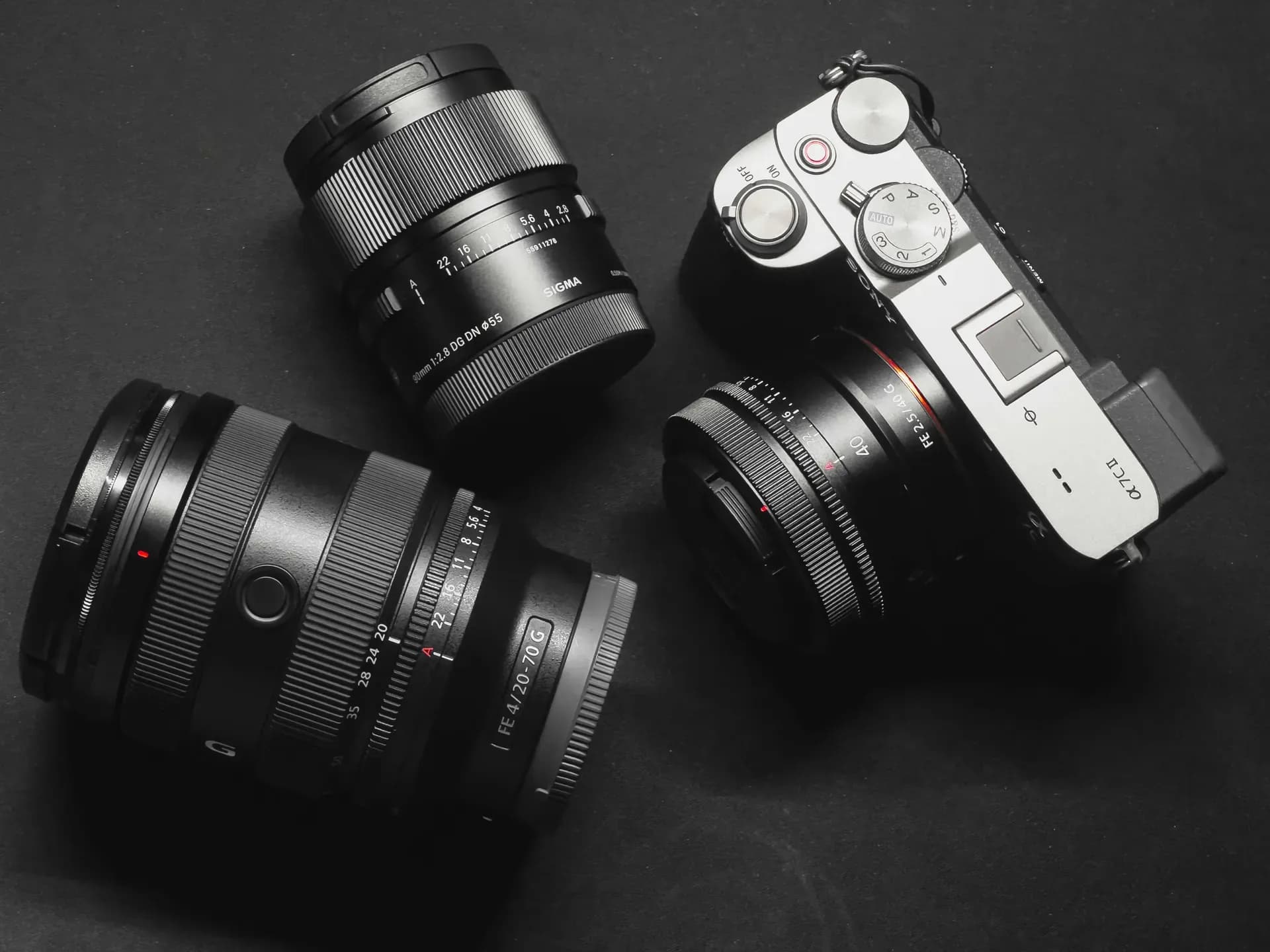
Guides•Apr 7, 2026
DSLR or Mirrorless: Complete Guide to Buying Camera (2026)
You're probably here because deciding whether you want to buy a DSLR or mirrorless camera leaves you clueless. Well, don't worry anymore! By the end of this article, you'll know all about the best camera types to purchase, their pros and cons, which model to opt for, how much money to spend, and how not to buy the wrong one as a beginner. **Which one should you buy: a DSLR or mirrorless camera?** DSLR cameras have been ruling the market for quite some time now. Although reliable, they don't seem to be a good choice anymore as the industry progresses further towards the future. You should consider purchasing a DSLR if you prioritize long battery life, want to have a classic camera photography experience, are operating on a budget, or will not be shooting videos. **Canon and Nikon still make amazing DSLR cameras for you to explore**. Now, let's take a closer look at mirrorless cameras. Why do we say that mirrorless cameras are the future? Because of the advanced technologies they possess! If you are interested in content creation and video-making, then you definitely need to go for mirrorless cameras with smart autofocus tracking systems. Also, they are smaller and lighter than DSLR cameras. Thus, if you don't want to upgrade in a couple of years, mirrorless ones will be the best choice. Sony, Canon, and Fujifilm create amazing mirrorless cameras nowadays. To summarize, if you're a beginner in 2026, go for a mirrorless camera. You can think about purchasing a DSLR camera only if you're on a tight budget or have a really good deal on a used one. Now, let's see what we can suggest based on your budget! ₹50,000 or Less For those who are going to use a camera primarily for still pictures, I would recommend opting for a Canon EOS 200D II or Nikon D3500. They are user-friendly, have high-quality picture settings, and relatively inexpensive lenses. However, you may also choose a more advanced mirrorless camera, such as Canon EOS M50 Mark II, if your budget allows you to do so. ₹50,000 - ₹1,00,000 This price range is perfect for beginners as well. If your goal is not just to take photos but also create videos for YouTube, etc., consider using Sony ZV-E10 or Canon EOS R50. Both of them have good autofocus and are perfect for creating high-quality videos and reels. ₹1,00,000+ In case you're not bothered by the price tag anymore, go professional! Models like Sony A7 IV or Canon EOS R6 Mark II will help you capture the cinematic video and create professional-grade content due to their full-frame sensors. Although we've provided you with all kinds of camera types, it is essential to know which mistakes you shouldn't make while purchasing a camera. First of all, stop comparing endless amounts of parameters. Choose the purpose of having a camera first. If you're going to make just still photos, you won't be missing anything with a more expensive one, but if you want to film something, a mirrorless camera will suit you best. Don't forget about lenses; a bad camera + good lens > good camera + bad lens. If you're going to shoot videos, reels, etc., consider a camera with autofocus. There is also some situation when a camera may not be necessary for you. It is useless to have a professional-looking and sounding photo camera if you hope to become a professional from day one. It's also pointless to buy a camera without planning to study its functions. Finally, if you're not interested in photography and filming at all, maybe you should consider getting a smartphone for this purpose. How else can you decide? Buy a DSLR if your budget is really low and go with mirrorless ones if you have a mid-to-high budget or are going to shoot videos or need something for the future. As far as we are talking about cameras, don't wait until you finally decide which type to purchase, but start shooting from the very beginning. Your first month and thousands of photos won't be perfect, but it is okay since you're a beginner. The only thing you should do is practice!
4 min read
Reviews•Mar 30, 2026
You’re Missing Out If You Haven’t Seen Samsung A57 Yet!
Samsung has built a reputation for delivering reliable, feature-packed smartphones across every price range, but its A-series is where the brand truly shines for everyday users. With the upcoming Samsung Galaxy A37 and Galaxy A57, the company is once again raising expectations for what mid-range smartphones can offer in 2026. If you’ve been searching for a phone that balances performance, design, camera quality, and price, these two models are already generating serious interest and for good reason. Let’s take a deeper, more exciting look at what makes the Galaxy A37 and A57 worth your attention. Samsung Galaxy A37 The Perfect Everyday Companion The Samsung Galaxy A37 is designed for users who want a dependable smartphone that feels modern, performs smoothly, and doesn’t drain their wallet. It’s not about flashy gimmicks it’s about getting everything right where it matters most. **A Display You’ll Love Using Daily** Samsung is known for its displays, and the A37 is expected to continue that legacy with a 6.5-inch AMOLED screen. This means vibrant colors, deep blacks, and excellent brightness levels—even under direct sunlight. What really elevates the experience is the likely 120Hz refresh rate, making scrolling, animations, and app transitions feel incredibly smooth. Whether you're browsing social media, watching videos, or reading articles, everything feels fluid and responsive. Smooth Performance Without the Stress Under the hood, the A37 is expected to feature an upgraded mid-range chipset that delivers reliable, lag-free performance. This isn’t a phone that struggles with everyday tasks it’s built to handle: Multitasking between apps Streaming high-quality videos Casual to moderate gaming Social media and productivity apps Combined with Samsung’s refined One UI, the software experience should feel clean, intuitive, and fast. You won’t need to constantly close apps or worry about slowdowns. **Camera That Keeps Up With Your Life** For many users, the camera is a deal-breaker and Samsung knows it. The A37 is expected to feature a triple-camera setup with a high-resolution main sensor. What does that mean for you? Sharper photos with better detail Improved low-light performance AI enhancements for smarter photography From quick selfies to scenic shots, the A37 should deliver results that look great without needing edits. **Battery That Lasts All Day (and Then Some)** Battery anxiety is real but the A37 aims to eliminate it. With a 5000mAh battery, you can expect a full day of heavy usage without constantly reaching for the charger. Add in fast charging support, and you’ll spend less time plugged in and more time using your phone. **Who Should Buy the Galaxy A37?** The A37 is perfect if you want a phone that simply works smoothly, reliably, and consistently. It’s ideal for students, professionals, and anyone who values practical performance over unnecessary extras. Samsung Galaxy A57. A Premium Experience Without the Premium Price If the A37 is about balance, the Samsung Galaxy A57 is about stepping things up. This model is designed for users who want a more powerful, feature-rich experience without jumping into flagship-level pricing. **A More Immersive Display** The A57 is expected to feature a larger, brighter AMOLED display with improved color accuracy and higher peak brightness. This makes a noticeable difference when: Watching movies or YouTube Playing games Using your phone outdoors Everything looks sharper, brighter, and more immersive. Power That Feels Future-Proof Performance is where the A57 truly separates itself. With a more advanced processor and increased RAM options, this device is built for: Heavy multitasking High-performance gaming Content creation (photo/video editing) This isn’t just a phone for today it’s a phone that will still feel fast and capable years down the line. **Camera System That Stands Out** The A57 is expected to deliver a significant upgrade in camera capabilities. Think sharper images, better stabilization, and more reliable performance in challenging lighting conditions. Features you can expect include: Enhanced optical image stabilization (OIS) Improved night photography More accurate colors and dynamic range If you rely on your phone as your primary camera, the A57 is clearly the better choice. **Premium Design That Feels Worth It** Samsung is likely to give the A57 a more refined design, possibly with slimmer bezels and higher-quality materials. It’s the kind of phone that not only performs well but feels premium in your hand. Extras like stereo speakers and improved durability could further enhance the experience, making it ideal for media lovers and power users. **Battery + Efficiency = Reliable Power** Despite its higher performance, the A57 should still offer excellent battery life. Thanks to a combination of a large battery and an efficient chipset, you can expect all-day usage without compromise. Fast charging ensures you can quickly top up and get back to what matters. **Who Should Buy the Galaxy A57?** If you want more power, better cameras, and a premium feel but still care about value the A57 is the clear winner. It’s perfect for users who push their phones harder and expect more in return. Galaxy A37 vs Galaxy A57. What’s the Real Difference? At first glance, these two phones may seem similar—but the differences become clear when you look closer. The Galaxy A37 focuses on delivering a smooth, reliable experience at a lower price point. It’s practical, efficient, and perfect for everyday use. The Galaxy A57, on the other hand, is built for users who want more more speed, more camera capability, and a more premium overall experience. **Here’s a simple way to decide:** Choose A37 if you want affordability and dependable performance Choose A57 if you want power, premium features, and longevity Both phones offer excellent value it just depends on how much you want to push your device. **Why These Phones Matter in 2026** The smartphone market is crowded, but Samsung’s A-series continues to stand out because it focuses on what users actually need. With the A37 and A57, Samsung is doubling down on: High-quality displays Reliable battery life Strong camera performance Smooth software experience These aren’t just specs they’re features that directly improve your daily experience. For users searching terms like “Samsung A37 specs,” “Galaxy A57 features,” or “best mid-range Samsung phone 2026,” these models are likely to dominate the conversation. **Final Thoughts Which One Should You Be Excited About?** The truth is, you can’t go wrong with either the Samsung Galaxy A37 or Galaxy A57. Both phones are designed to deliver strong value, modern features, and a user-friendly experience. If you want something affordable, reliable, and smooth the A37 will exceed expectations. If you want something more powerful, more refined, and closer to a flagship experience—the A57 is where things get exciting. Either way, Samsung is proving once again that you don’t need to spend a fortune to get a smartphone that feels fast, looks great, and keeps up with your lifestyle.
6 min read
News•Mar 25, 2026
AI Arms Race Escalates as Nations Compete for Technological Dominance
A new kind of global rivalry is intensifying not over territory or traditional weapons, but over artificial intelligence. Governments around the world are rapidly investing in advanced AI systems, raising concerns about what experts are calling an emerging “AI war.” Unlike conventional conflicts, this competition is largely invisible to the public. It unfolds in research labs, data centers, and cybersecurity operations, where nations are racing to build more powerful algorithms capable of everything from autonomous defense systems to large-scale cyber operations. The United States, China, and the European Union remain at the forefront, each pursuing different strategies. The U.S. continues to rely heavily on private tech companies, while China integrates state-backed initiatives with vast data resources. Meanwhile, the EU is focusing on regulation and ethical AI development, aiming to balance innovation with safety. Military applications are a central concern. Autonomous drones, AI-assisted surveillance, and decision-making systems are already being tested or deployed in limited capacities. Defense analysts warn that increasing reliance on AI could shorten decision times in conflict scenarios, potentially raising the risk of unintended escalation. Cybersecurity is another major front. AI is being used both to launch sophisticated cyberattacks and to defend against them. This dual-use nature makes regulation particularly difficult, as the same technology can serve both civilian and military purposes. Experts are divided on how dangerous this competition could become. Some argue that AI advancements will act as a deterrent, similar to nuclear weapons during the Cold War. Others warn that the lack of clear international agreements makes the situation more unpredictable. “There’s no global framework governing AI in warfare,” said Dr. Elena Marquez, a technology policy researcher. “We’re seeing rapid development without the same level of coordination that existed for previous arms races.” Efforts are underway to address this gap. The United Nations and other international bodies have begun discussions on AI governance, including potential bans on fully autonomous lethal weapons. However, progress has been slow, as countries remain reluctant to limit technologies they see as strategically critical. As AI continues to evolve, the line between civilian innovation and military capability is becoming increasingly blurred. What remains clear is that the race for AI supremacy is not just about technology it’s about global power, security, and the future of warfare itself.
2 min read
Insights•Mar 25, 2026
Grand Theft Auto VI: Everything Rockstar Has Revealed, and Why the Wait Feels So Long
Big games take time there’s no way around it. Modern titles like Grand Theft Auto VI are not just games; they are massive, complex projects involving thousands of developers, years of planning, and cutting edge technology. From writing and voice acting to world design and AI systems, every piece has to come together perfectly. And yet, despite understanding this, fans often feel something very different: “Just release it already even if it has bugs, we’ll deal with it.” That tension between development reality and player impatience is at the heart of the GTA 6 conversation. Rockstar Games stands right in the middle of this. Known for taking its time and delivering polished, genre defining experiences, the studio is now working on one of the most anticipated games ever. GTA 6 is not just another sequel it’s a project carrying over a decade of expectations. In this blog, we’ll explore everything Rockstar has officially launched and confirmed so far, while also understanding why this game is taking so long and why that might actually be a good thing. **Rockstar’s Official Confirmation: The Journey Begins** In February 2022, Rockstar Games officially confirmed that the next Grand Theft Auto title was in development. The announcement was short and simple, stating that the project was “well underway.” For fans, this moment was huge. After years of rumors, leaks, and endless speculation, Rockstar finally acknowledged GTA 6. However, the announcement also made one thing clear: this was going to be a long journey. Unlike many studios that reveal games early and release them quickly, Rockstar follows a different approach. It reveals projects only when they reach a certain level of maturity. This means that even at the time of announcement, GTA 6 was already deep into development. **The First Official Trailer (2023): Breaking the Internet** In December 2023, Rockstar released the first official trailer for GTA 6 and it instantly became a global event. Within hours, the trailer broke records across platforms, becoming one of the most viewed and discussed gaming videos ever. Fans analyzed every second, every frame, and every detail. **What the Trailer Revealed:** Return to Vice City GTA 6 brings players back to Vice City, Rockstar’s iconic version of Miami. However, this is not just a remake it’s a modern reimagining. The city looks bigger, more detailed, and more alive than ever before. The State of Leonida Rockstar confirmed that the game is set in the fictional state of Leonida, inspired by Florida. This includes not just Vice City, but also surrounding areas like swamps, highways, and smaller towns. Lucia : A New Kind of Protagonist For the first time in GTA history, a female protagonist takes center stage. Lucia appears to be a strong, complex character with a criminal past. Dual Protagonist System Lucia is joined by a male partner, and their relationship seems central to the story. The dynamic appears inspired by a Bonnie and Clyde style partnership, suggesting a more emotional and character driven narrative. A Modern, Social Media Driven World One of the most striking elements of the trailer is its focus on modern culture. Viral videos, live streams, and social media clips are woven into the world, making it feel current and relatable. **Graphics and Realism: A True Next Gen Experience** Even from the trailer alone, it’s clear that GTA 6 represents a major leap in visual fidelity. Highly detailed character models Realistic lighting and reflections Dense, populated environments Improved animations and physics The world feels alive in a way that goes beyond previous GTA titles. NPCs react more naturally, environments look dynamic, and the overall presentation feels closer to reality than ever before. This level of detail is one of the main reasons development takes so long. Every building, street, and character must be carefully crafted. **Why GTA 6 Is Taking So Long** This is where the conversation becomes more interesting and more real. Fans often say, “Just release it now, even if it has bugs we’ll manage.” But in reality, games like GTA 6 cannot afford that kind of launch. Scale and Complexity GTA 6 is expected to be one of the largest and most detailed open world games ever created. Building such a world requires years of work, testing, and refinement. Rockstar’s Reputation Rockstar is known for polished, high quality releases. A buggy or incomplete launch could damage its reputation significantly. Lessons from the Industry The gaming industry has seen several high profile launches that were rushed and filled with bugs. While some of those games recovered over time, their initial reception suffered greatly. Rockstar appears determined to avoid that scenario. Player Expectations Ironically, the same fans who say “we’ll manage bugs” are often the first to criticize when a game releases in a broken state. Expectations for GTA 6 are extremely high, leaving little room for mistakes. **The Emotional Side of the Wait** The wait for GTA 6 is not just about time it’s about anticipation. GTA V was released in 2013. By the time GTA 6 launches in 2025, more than a decade will have passed. For many players, that’s a significant portion of their gaming life. During this time: Players have grown up Gaming technology has evolved Expectations have increased This long gap has created a unique situation where hype continues to build year after year. Every small update becomes a major event. **Expected Gameplay Improvements** While Rockstar has not released full gameplay details, the trailer and industry trends suggest several improvements: Smarter AI NPCs are expected to behave more realistically, reacting to the player and environment in dynamic ways. More Interactive World From shops to streets, the game world may offer deeper interactions than ever before. Expanded Activities Side missions, random events, and mini games are likely to be more diverse and engaging. Enhanced Police and Crime Systems Law enforcement behavior could be more advanced, making crime and escape more strategic. **Release Window and Platforms** Rockstar has officially confirmed that GTA 6 will release in 2025. Confirmed Platforms: PlayStation 5 Xbox Series X|S A PC version has not been confirmed at launch, but based on Rockstar’s history, it may arrive later. **The Bigger Picture: More Than Just a Game** GTA 6 is not just another title it’s an industry defining release. When it launches, it will likely: Set new benchmarks for open world games Influence future game design Drive console sales Dominate online and streaming platforms Few games have the power to shape the industry the way GTA 6 does. **What Rockstar Still Hasn’t Revealed** Despite all the excitement, many details remain unknown: Full gameplay mechanics Online mode (GTA Online’s future) Map size and additional cities Pricing and editions Post launch content Rockstar is known for revealing information slowly, so more updates are expected closer to release. **Conclusion** GTA 6 represents the future of open world gaming, but it also highlights a key truth: great games take time. Yes, fans are impatient. Yes, many would happily play a buggy version today. But history shows that rushed releases often lead to disappointment. Rockstar seems committed to doing things its way slowly, carefully, and with a focus on quality. The wait may feel long, but it’s part of what makes the final release so impactful. When GTA 6 finally arrives, it won’t just be another game it will be a moment.
6 min read

Insights•Mar 25, 2026
The Evolution of PlayStation: From PS5 to the Future PS6
The PlayStation brand has long been a cornerstone of the gaming industry, consistently pushing the boundaries of technology and interactive entertainment. With the PlayStation 5 (PS5) already making a significant impact since its release, discussions about the next generation likely the PlayStation 6 (PS6) are gaining momentum. By examining the PS5’s innovations and projecting future trends, we can better understand how gaming might evolve in the years ahead. **The PlayStation 5: A Generational Leap** When the PS5 launched in November 2020, it marked a major step forward in gaming technology. Powered by a custom AMD CPU and GPU, the console delivered significant improvements in speed, graphics, and overall performance compared to the PS4. One of the most groundbreaking features of the PS5 is its ultra-high-speed SSD. Unlike traditional hard drives, this solid-state drive drastically reduces load times, allowing players to jump into games almost instantly. This innovation didn’t just improve convenience it changed how games are designed. Developers can now create seamless worlds without interruptions, enhancing immersion and storytelling. In addition to performance, the PS5 introduced a bold and futuristic design. While opinions on its appearance vary, there’s no denying that Sony aimed to create a console that stands out, both visually and technologically. **DualSense Controller: Redefining Interaction** A standout feature of the PS5 is the DualSense controller, which reimagines how players interact with games. The controller includes adaptive triggers that adjust resistance depending on in-game actions, such as drawing a bow or accelerating a vehicle. The advanced haptic feedback system replaces traditional vibration with more precise sensations. Players can feel subtle differences, like walking on sand versus metal, or the impact of raindrops. These features bring a new level of immersion, making gameplay feel more realistic and engaging. This focus on tactile feedback represents Sony’s commitment to innovation beyond just graphics and performance, emphasizing the importance of player experience. **Graphics and Performance Enhancements** The PS5 set new standards for visual fidelity. With support for 4K resolution, ray tracing, and higher frame rates, games look more lifelike than ever before. Lighting and reflections behave more naturally, creating a deeper sense of realism. Players often have the option to choose between performance modes (favoring smoother gameplay) and quality modes (prioritizing visual detail). This flexibility allows users to tailor their experience based on personal preferences. Moreover, the PS5’s hardware enables developers to build larger, more detailed worlds without sacrificing performance. This has led to richer environments and more complex gameplay systems. **The Shift Toward Digital and Subscription Gaming** Beyond hardware, the PS5 era reflects a major shift in how games are distributed and consumed. Digital downloads have become increasingly popular, reducing reliance on physical discs. Subscription services like PlayStation Plus have expanded significantly, offering access to extensive game libraries for a monthly fee. This model mirrors trends in other forms of entertainment, such as streaming services for movies and music. Cloud saves, digital libraries, and online connectivity have made gaming more convenient and accessible. Players can access their content from anywhere, creating a more flexible gaming experience. **Social Connectivity and Cross-Platform Play** The PS5 has also embraced social gaming more than ever before. Features like cross-platform play allow users to connect with friends regardless of their console or device. Streaming and content-sharing tools are built directly into the system, enabling players to broadcast gameplay or upload clips with ease. This has contributed to the growing popularity of gaming as a social and spectator activity. Gaming is no longer just about playing it’s about sharing experiences, building communities, and engaging with a global audience. **Looking Ahead: The Anticipation for PS6** While Sony has not officially announced the PS6, industry trends provide insight into what the future might hold. Typically, new PlayStation consoles are released every six to seven years, suggesting that the PS6 could arrive later this decade. The expectations for the PS6 go beyond incremental improvements. Instead, it is likely to represent another transformative leap in gaming technology. **Next-Generation Performance and Hardware** The PS6 will almost certainly feature more advanced processing power, with improved CPUs and GPUs capable of handling more complex and demanding games. While the PS5 made 4K gaming mainstream, the PS6 could push toward 8K resolution or focus on ultra-high frame rates for smoother gameplay. This would further enhance realism and responsiveness. Advancements in hardware could also enable more sophisticated physics, larger open worlds, and more dynamic environments. **The Future of Storage and Load Times** The PS5’s SSD was revolutionary, but technology continues to evolve. The PS6 may feature even faster storage solutions, potentially eliminating loading screens entirely. This would allow for truly seamless gaming experiences, where transitions between gameplay segments happen instantly. Developers could create more ambitious worlds without worrying about technical limitations. **Cloud Gaming and Streaming Integration** Cloud gaming is expected to play a larger role in the future of PlayStation. Instead of downloading games, players may stream them directly from servers. The PS6 could integrate cloud technology more deeply, offering a hybrid model where players can choose between local and cloud-based gaming. This would reduce storage requirements and allow instant access to games. Such advancements could also make high-quality gaming more accessible on a wider range of devices. **Artificial Intelligence in Gaming** Artificial intelligence is poised to transform gaming in significant ways. The PS6 could leverage AI to create smarter, more realistic non-player characters (NPCs). AI could also personalize gaming experiences by adapting difficulty levels or suggesting content based on player behavior. This would make games more engaging and tailored to individual preferences. Additionally, AI could assist developers in creating more detailed and dynamic game worlds. **Virtual Reality and Immersive Experiences** Virtual reality (VR) is another area where the PS6 could make a major impact. Building on the foundation of PlayStation VR and PS VR2, future systems could offer improved resolution, better tracking, and enhanced comfort. The PS6 might integrate VR more seamlessly, making it a core part of the gaming experience rather than an optional add-on. This could lead to more immersive and interactive worlds. **Design, Efficiency, and Sustainability** The design of the PS6 will likely reflect advancements in technology and changing consumer preferences. While the PS5 featured a bold and large design, the PS6 may be more compact and efficient. Energy efficiency could become a key focus, aligning with global efforts toward sustainability. Improved hardware design could reduce power consumption while maintaining high performance. **Expanding the PlayStation Ecosystem** The future of PlayStation is not limited to a single console. The PS6 may be part of a broader ecosystem that includes PCs, mobile devices, and cloud platforms. Players could start a game on one device and continue it on another seamlessly. This level of integration would make gaming more flexible and accessible. Subscription services are also expected to grow, potentially offering larger libraries and even day-one releases. **Challenges and Considerations** While the future looks promising, there are challenges to consider. Game development costs continue to rise, which could lead to higher prices or increased reliance on in-game purchases. Balancing innovation with affordability will be crucial for the success of the PS6. Additionally, ensuring accessibility for players of all abilities will remain an important focus. **Conclusion** The journey from the PlayStation 5 to the anticipated PlayStation 6 represents more than just a hardware upgrade it reflects the ongoing evolution of gaming as a whole. The PS5 has already redefined speed, immersion, and player interaction. The PS6 is expected to build on this foundation, introducing new technologies that further enhance how we play and experience games. As the gaming industry continues to evolve, one thing remains certain: PlayStation will continue to be at the forefront, shaping the future of interactive entertainment for years to come.
6 min read
Reviews•Mar 23, 2026
This ₹1L+ Phone Isn’t Worth It? Shocking Truth About S26 Ultra!
The Galaxy S26 Ultra is one of those devices that, on paper, feels almost impossible to criticize. It’s packed with bleeding-edge hardware, refined design choices, and software that’s clearly matured over years. Yet, something interesting is happening in the real world after a few days or weeks of use, a noticeable number of users are already reselling it. That contrast makes the S26 Ultra worth talking about beyond just specs. **First Impressions: A True Flagship** From the moment you pick up the S26 Ultra, it feels premium in every sense. The build is solid, the materials are top-tier, and Samsung has clearly refined the design language. The flat display (finally consistent across the Ultra line) is a welcome change, making it more practical for everyday use, especially with the S Pen. The display itself is stunning bright, sharp, and incredibly smooth. Whether you’re watching HDR content or just scrolling through apps, it delivers one of the best visual experiences available on any smartphone today. **Performance: Fast, But Almost Overkill** Powered by the latest chipset and paired with generous RAM, the S26 Ultra is undeniably fast. Apps open instantly, multitasking is effortless, and gaming performance is top-tier. But here’s the thing this level of performance is starting to feel excessive for everyday users. Most people won’t push the device anywhere near its limits, which makes the power feel a bit… wasted. It’s impressive, yes, but not necessarily impactful in daily use. **Camera System: Brilliant Yet Predictable** Samsung continues to dominate in the camera department. The S26 Ultra delivers exceptional zoom, sharp detail, and vibrant colors. Night photography has improved, and AI enhancements make shooting effortless. However, it’s starting to feel like an incremental upgrade rather than a revolutionary one. If you’ve used the S24 or S25 Ultra, the difference isn’t dramatic enough to justify the upgrade for many users. The “wow factor” fades quickly after the first few days. **Features People Love** One standout feature is the AI integration across the system. From real-time translations to smart photo editing and contextual suggestions, it genuinely adds convenience when it works well. Battery life is another strong point. It comfortably lasts a full day, even with heavy usage, and charging speeds are decent enough to keep up with busy routines. The S Pen remains a unique advantage. For note-taking, quick edits, or just navigating the device with precision, it’s still unmatched in the smartphone space. **What People Don’t Like** This is where things get interesting and where the resale trend starts to make sense. The size and weight are still a problem. Despite refinements, the S26 Ultra is a large and heavy phone. It’s not comfortable for everyone, especially for one-handed use or long sessions. Then there’s the software experience. While One UI is feature-rich, it can feel bloated. There are so many options, settings, and pre-installed apps that it sometimes becomes overwhelming rather than helpful. Another issue is diminishing excitement. After a few days, many users realize that while the phone is excellent, it doesn’t feel significantly different from previous Ultra models. The experience becomes familiar very quickly. And of course, the price plays a huge role. The S26 Ultra sits firmly in the ultra-premium category. For many, the cost simply doesn’t match the perceived upgrade, leading them to sell it and reconsider their options. **Why Are People Selling It So Quickly?** It’s not because the S26 Ultra is bad it’s actually one of the best smartphones available. But that’s exactly the problem. It’s too safe. Samsung has perfected the formula, but in doing so, it has also removed much of the excitement. For tech enthusiasts, there’s little novelty. For average users, it may feel like overpaying for features they don’t fully use. Add to that the bulky design and familiar experience, and it’s easy to see why some users decide to move on quickly. **Final Thoughts** The Galaxy S26 Ultra is a powerhouse. It excels in display, performance, camera, and battery life. If you’re coming from an older device, it will feel like a massive upgrade. But if you’re already using a recent flagship, the story changes. The improvements are subtle, and the experience, while polished, doesn’t break new ground. **What I like:** Stunning display and premium build Reliable battery life Powerful performance S Pen functionality Strong, versatile camera system **What I dislike:** Heavy and bulky design Incremental upgrades over previous models Overloaded software experience Very high price for marginal gains In the end, the S26 Ultra is less about innovation and more about refinement. And while that makes it objectively excellent, it also explains why, for some users, it doesn’t feel worth holding onto for long.
4 min read
News•Mar 17, 2026
POCO’s 2026 Smartphone Strategy — Performance, Power, and Aggressive Pricing
POCO is set to unveil a new range of performance-focused smartphones in India, continuing its well-established strategy of delivering high-end features at competitive prices. Over the years, the brand has built a strong reputation among tech enthusiasts for offering powerful hardware without the premium price tag, and its upcoming 2026 lineup appears to reinforce that identity. Among the most anticipated releases is the POCO X8 Pro series, which is expected to debut soon. The device has already generated significant buzz, with leaks and reports suggesting that it could be one of the most powerful smartphones in the mid-range segment. According to reports, the POCO X8 Pro is expected to be powered by the MediaTek Dimensity 8500 Ultra chipset. This positions the device as a strong contender in the performance-oriented mid-range category, where users are increasingly looking for flagship-like capabilities at more affordable prices. The smartphone is also rumored to feature a 120Hz AMOLED display, which would offer smooth scrolling, fluid animations, and an overall enhanced visual experience. High refresh rate displays have become a key selling point in recent years, particularly among gamers and users who consume a lot of multimedia content. In terms of photography, the device is expected to include a 50MP primary camera. While megapixel count is not the only factor that determines camera quality, it does indicate that POCO is aiming to deliver a capable imaging system that meets the expectations of modern users. Battery life is another area where the POCO X8 Pro is expected to excel. Reports suggest a battery capacity of up to 6,500mAh or more, along with fast charging support. This combination ensures that users not only get long-lasting performance but also the convenience of quick recharging when needed. The device is also expected to offer up to 16GB of RAM and 512GB of internal storage, further emphasizing its focus on performance and multitasking. These specifications are typically associated with flagship devices, which highlights POCO’s strategy of bringing premium features to a wider audience. Beyond the X8 Pro, POCO is reportedly working on expanding its lineup with additional models. These include the POCO X8 Pro Max, which may offer enhanced battery capacity and storage options, and the POCO F8 Pro, a device that could serve as a flagship killer with a high-end processor and advanced camera system. The F-series, in particular, has historically been one of POCO’s most successful product lines. It targets users who want top-tier performance without paying flagship prices, making it a strong competitor in the upper mid-range segment. The POCO X8 Pro series is expected to launch in March 2026, aligning with a busy period in India’s smartphone market. This timing could work in POCO’s favor, as consumer interest tends to be high during major release cycles. POCO’s aggressive pricing strategy will likely play a crucial role in determining the success of its new devices. By offering powerful specifications at competitive prices, the brand has consistently managed to disrupt the market and challenge established players. The upcoming lineup is expected to compete directly with devices from brands like Vivo, Realme, and iQOO, all of which are actively strengthening their presence in the mid-range and upper mid-range segments. From an industry perspective, POCO’s strategy reflects a broader trend in the smartphone market: the push toward bigger batteries, faster processors, and premium-like features at more accessible price points. As competition intensifies, manufacturers are being forced to offer better value to consumers. If POCO manages to maintain its balance between performance and affordability, it could further solidify its reputation as a “performance-first” brand in 2026. The X8 Pro series, along with its expanded lineup, has the potential to attract a wide range of users—from gamers to power users—who are looking for high performance without breaking the bank. In conclusion, POCO’s upcoming smartphones represent a continuation of its core philosophy: delivering maximum performance at minimum cost. If the rumored specifications and pricing strategies hold true, the brand could once again redefine expectations in the mid-range smartphone market.
4 min read
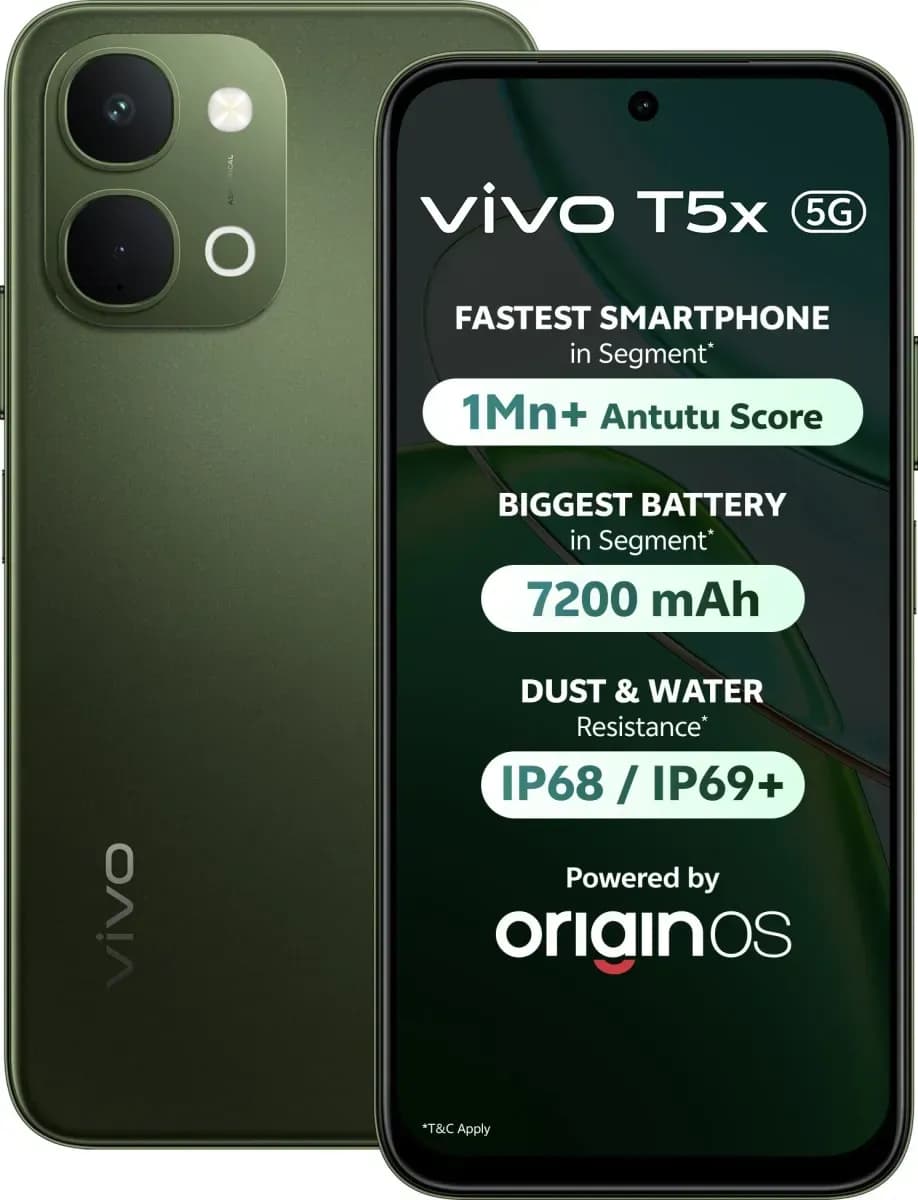
News•Mar 17, 2026
Vivo T5x 5G Launch — A Battery Beast Aimed at Power Users
Vivo has extended its range of T-series smartphones in India with the launch of the Vivo T5x 5G, a device intended for users looking for a phone with a large battery and performance in the mid-range segment. At a time when smartphone users are demanding more endurance and reliability from their devices, Vivo appears to be responding directly to those expectations with a product that prioritizes longevity and consistent performance. One of the most interesting features of the Vivo T5x 5G is its massive 7,200mAh battery, which is reportedly the largest battery available in its segment. This is not just a minor upgrade—it represents a significant shift toward addressing one of the biggest pain points for smartphone users: battery anxiety. With mobile gaming, video streaming, and multitasking becoming more intensive, users increasingly require devices that can last well beyond a single day of heavy usage. This focus on battery capacity also signals Vivo’s growing commitment to power users, particularly gamers and heavy content consumers who expect uninterrupted performance. A battery of this size could potentially offer multi-day usage for moderate users and extended gaming sessions without frequent recharging, which gives the T5x 5G a strong edge in its category. Under the hood, the Vivo T5x 5G runs on a MediaTek Dimensity 7400 Turbo processor, which is reportedly making its debut in the T-series lineup. The chipset is designed to strike a balance between power efficiency and performance, making it suitable for a wide range of tasks including gaming, multitasking, and everyday applications. Vivo is also expected to deliver an optimized gaming experience through improved thermal management and stable frame rates. This is especially important in mid-range devices, where overheating and performance drops can often affect user experience. By focusing on thermal efficiency, Vivo is clearly aiming to attract users who push their smartphones to the limit. From a design perspective, the Vivo T5x 5G is available in two color options: Star Silver and Cyber Green. These choices reflect a modern aesthetic, catering to younger consumers who prefer stylish and vibrant devices. While design may not be the primary selling point of the device, it still plays a crucial role in making the smartphone appealing in a competitive market. Availability is another strong point. The device will be sold across multiple platforms, including Flipkart, Vivo’s official website, and offline retail stores throughout India. This wide distribution ensures that the smartphone is easily accessible to a broad audience, further strengthening its market potential. With the release of the T5x 5G, Vivo is clearly aiming to consolidate its position in the increasingly competitive mid-range 5G smartphone market. This segment has seen intense competition in recent years, with brands constantly trying to outdo each other in terms of features and pricing. The T5x 5G is positioned as a battery-centric smartphone with strong gaming capabilities, making it particularly attractive to younger users and heavy smartphone consumers. Its combination of a large battery, capable processor, and expected affordability could make it a compelling option for buyers who prioritize endurance over ultra-premium features. Industry experts believe that the device has the potential to perform well in the market, especially if Vivo manages to price it competitively. However, pricing will ultimately play a decisive role in determining its success, as consumers in this segment are highly price-sensitive. Overall, the Vivo T5x 5G represents a strategic move by Vivo to cater to a growing segment of users who value battery life and reliable performance above all else. If executed well, this device could set a new benchmark for battery-focused smartphones in the mid-range category.
3 min read