AI Arms Race Escalates as Nations Compete for Technological Dominance
By Mukesh kumar
A new kind of global rivalry is intensifying not over territory or traditional weapons, but over artificial intelligence. Governments around the world are rapi…
Article body
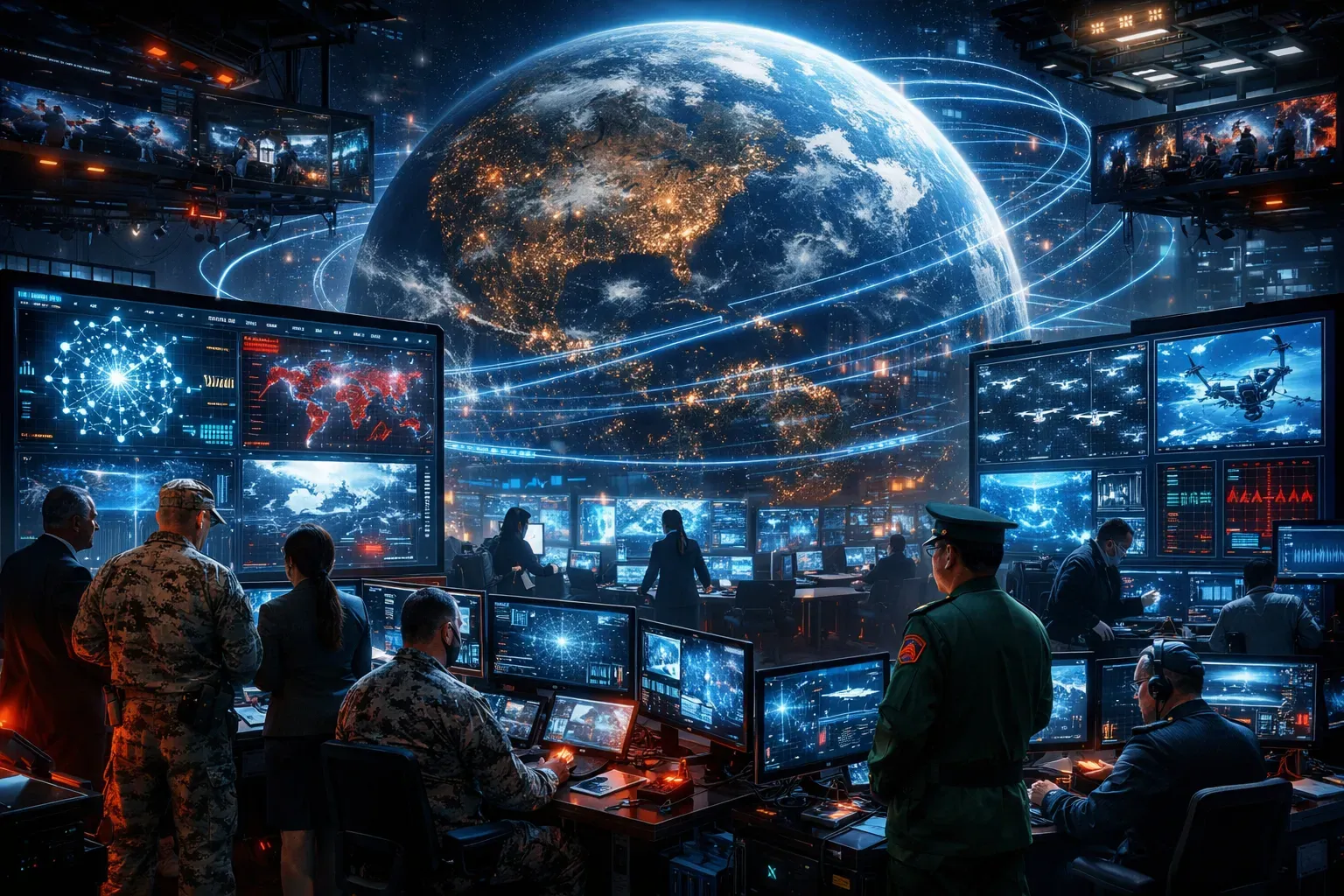
A new kind of global rivalry is intensifying not over territory or traditional weapons, but over artificial intelligence. Governments around the world are rapidly investing in advanced AI systems, raising concerns about what experts are calling an emerging “AI war.”
Unlike conventional conflicts, this competition is largely invisible to the public. It unfolds in research labs, data centers, and cybersecurity operations, where nations are racing to build more powerful algorithms capable of everything from autonomous defense systems to large-scale cyber operations.
The United States, China, and the European Union remain at the forefront, each pursuing different strategies. The U.S. continues to rely heavily on private tech companies, while China integrates state-backed initiatives with vast data resources. Meanwhile, the EU is focusing on regulation and ethical AI development, aiming to balance innovation with safety.
Military applications are a central concern. Autonomous drones, AI-assisted surveillance, and decision-making systems are already being tested or deployed in limited capacities. Defense analysts warn that increasing reliance on AI could shorten decision times in conflict scenarios, potentially raising the risk of unintended escalation.
Cybersecurity is another major front. AI is being used both to launch sophisticated cyberattacks and to defend against them. This dual-use nature makes regulation particularly difficult, as the same technology can serve both civilian and military purposes.
Experts are divided on how dangerous this competition could become. Some argue that AI advancements will act as a deterrent, similar to nuclear weapons during the Cold War. Others warn that the lack of clear international agreements makes the situation more unpredictable.
“There’s no global framework governing AI in warfare,” said Dr. Elena Marquez, a technology policy researcher. “We’re seeing rapid development without the same level of coordination that existed for previous arms races.”
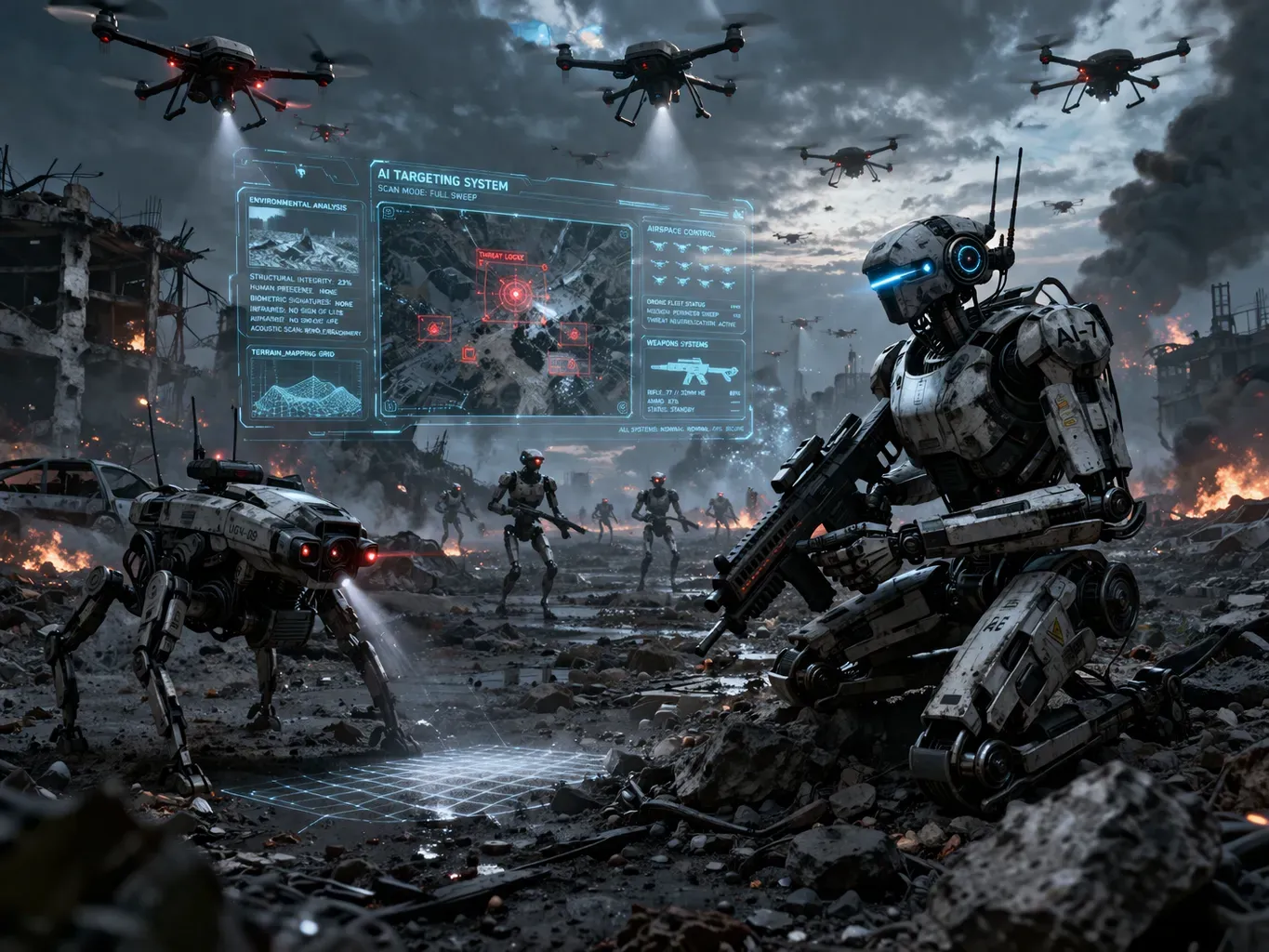
Efforts are underway to address this gap. The United Nations and other international bodies have begun discussions on AI governance, including potential bans on fully autonomous lethal weapons. However, progress has been slow, as countries remain reluctant to limit technologies they see as strategically critical.
As AI continues to evolve, the line between civilian innovation and military capability is becoming increasingly blurred. What remains clear is that the race for AI supremacy is not just about technology it’s about global power, security, and the future of warfare itself.
Discussion
0 likes