🇪🇺 EU’s Removable Battery Law for Smartphones, Will India get benefit too ?
By Mukesh kumar
image The smartphone industry is set to see one of its most revolutionary design changes in recent history. The European Union (EU) has recently brought out ne…
Article body
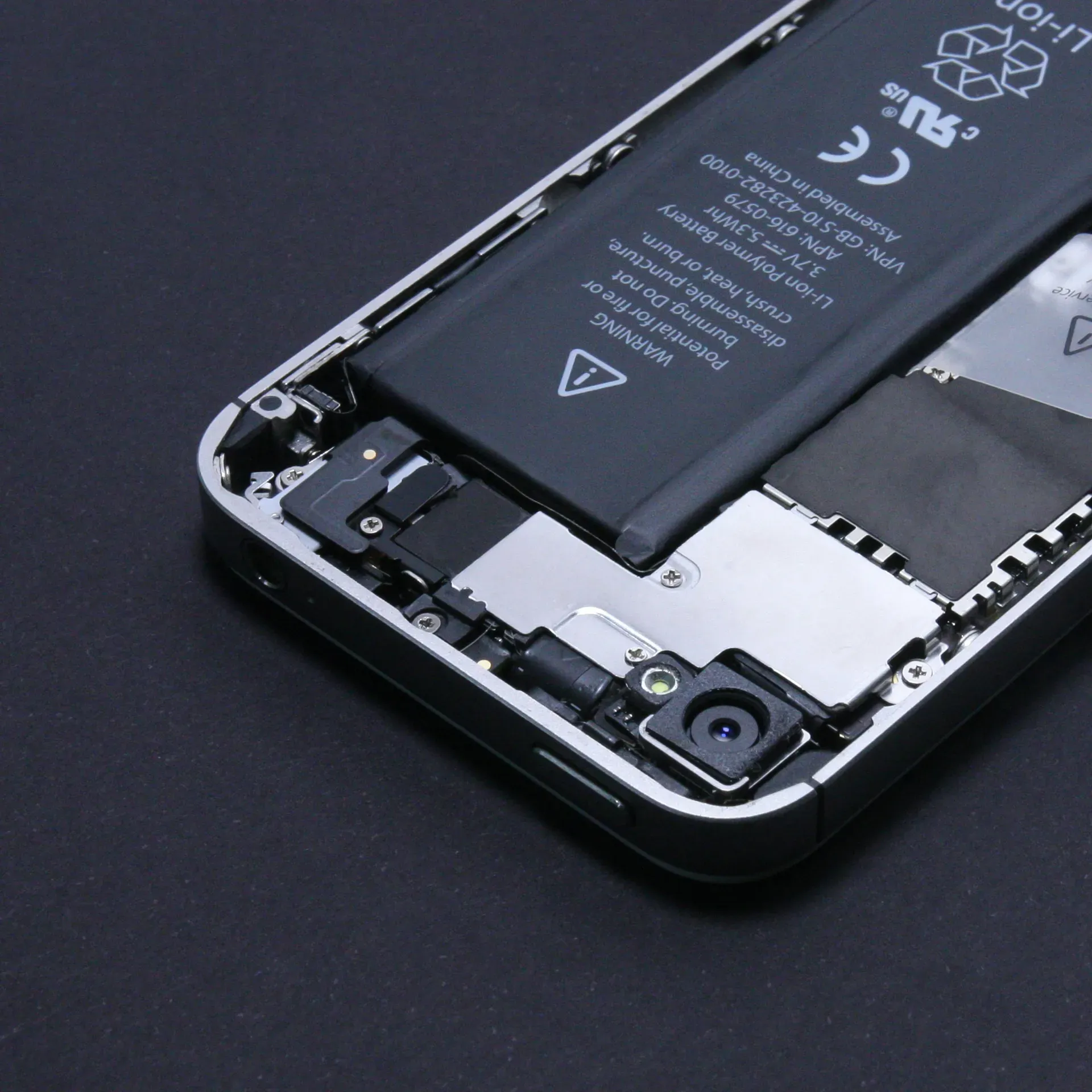
The smartphone industry is set to see one of its most revolutionary design changes in recent history. The European Union (EU) has recently brought out new regulations that will potentially bring back a highly-loved feature replaceable batteries.
But why is the EU doing this? And what does it mean for India?
🔋 What Is EU’s Battery Law?
The Battery Regulation (2023/1542) has been passed by the EU to improve the durability and reparability of electronic products.
Key Points of the law:
From 18th February 2027, all smartphones must have easy-to-replace batteries
Easy replacement of the battery should be done with the help of basic tools
The battery of a phone should not be damaged during replacement
Availability of spare batteries for a long period post-launch
Higher quality phones with increased lifespan and improved repair ability
One important thing to understand:
This doesn't imply the use of older-style removable batteries, but simply easy replaceability.
Why Is the EU Enacting This Law?
As per the EU, the aim of introducing this regulation is clear.
The issues faced today include:
Smartphone batteries are mostly sealed
Poor performance of batteries leads to the purchase of new smartphones
Expensive and complex repairs are required
The goals of the regulation are:
Increased lifespan of smartphones
Cheaper repairs
Reduction of environmental impact
In fact, it is estimated to result in massive savings and reduce waste by a huge amount.
📱 How Will This Change Smartphone Design?
This new law will put pressure on companies such as Apple and Samsung to redesign smartphones.
Expected Changes:
Slight change in thickness for easier battery access
Replacement of glue by modularity
Easier opening of the smartphone body
Strict battery health standards (up to 80% performance after hundreds of charges)
NOTE: No full-on return to 2010s-style pop-out batteries.
New designs will keep the modern feel but will become easier to open.
🌍 Will This Have Any Impact on India?
Short answer: Yes, but not directly at first.
Global Product Design Strategy
All major manufacturers design products in one way only.
If the product is re-designed for one country,
The same product will eventually reach other countries too
For example, the introduction of USB-C chargers worldwide came through the EU regulation.
India Is Already Considering Similar Steps
India is following suit, albeit slowly.
"Right To Repair" is currently under discussion
Increased awareness regarding reducing e-waste
Introduction of policies promoting longevity of the device
While India hasn't regulated the removal of batteries yet, the direction is similar.
Reality of Indian Market
Price sensitivity is very high in India, which means:
Cheaper battery replacements are always good
Increasing lifespan increases value for customers
Which makes it highly likely for such laws to have an impact on Indian phones.
Possible Issues & Solutions
Not everything can be achieved in a single step.
Possible cons of the law:
Slightly bulking up the phone
Less resistance against water ingress (in some cases)
Lack of design flexibility for ultra-thin smartphones
Manufacturers are currently addressing the problem to balance repairability and design.
Will This Regulation Apply to India?
Highly likely scenario:
Indirectly applied by 2027-2028
Phone manufacturers will automatically make phones more repairable in India
Longer term:
Possibly an Indian regulation in the future
As e-waste becomes a pressing problem
Conclusion
EU's battery regulation will be the first step towards changing how phones work for good.
We will move away from the current use and throw system, and towards one where:
Phones will be usable for longer periods of time
Repairs will become easier
Consumers will get more choice and freedom
Discussion
0 likes