The Evolution of PlayStation: From PS5 to the Future PS6
By Mukesh kumar
The PlayStation brand has long been a cornerstone of the gaming industry, consistently pushing the boundaries of technology and interactive entertainment. With…

Article body
The PlayStation brand has long been a cornerstone of the gaming industry, consistently pushing the boundaries of technology and interactive entertainment. With the PlayStation 5 (PS5) already making a significant impact since its release, discussions about the next generation likely the PlayStation 6 (PS6) are gaining momentum. By examining the PS5’s innovations and projecting future trends, we can better understand how gaming might evolve in the years ahead.
The PlayStation 5: A Generational Leap
When the PS5 launched in November 2020, it marked a major step forward in gaming technology. Powered by a custom AMD CPU and GPU, the console delivered significant improvements in speed, graphics, and overall performance compared to the PS4.
One of the most groundbreaking features of the PS5 is its ultra-high-speed SSD. Unlike traditional hard drives, this solid-state drive drastically reduces load times, allowing players to jump into games almost instantly. This innovation didn’t just improve convenience it changed how games are designed. Developers can now create seamless worlds without interruptions, enhancing immersion and storytelling.
In addition to performance, the PS5 introduced a bold and futuristic design. While opinions on its appearance vary, there’s no denying that Sony aimed to create a console that stands out, both visually and technologically.
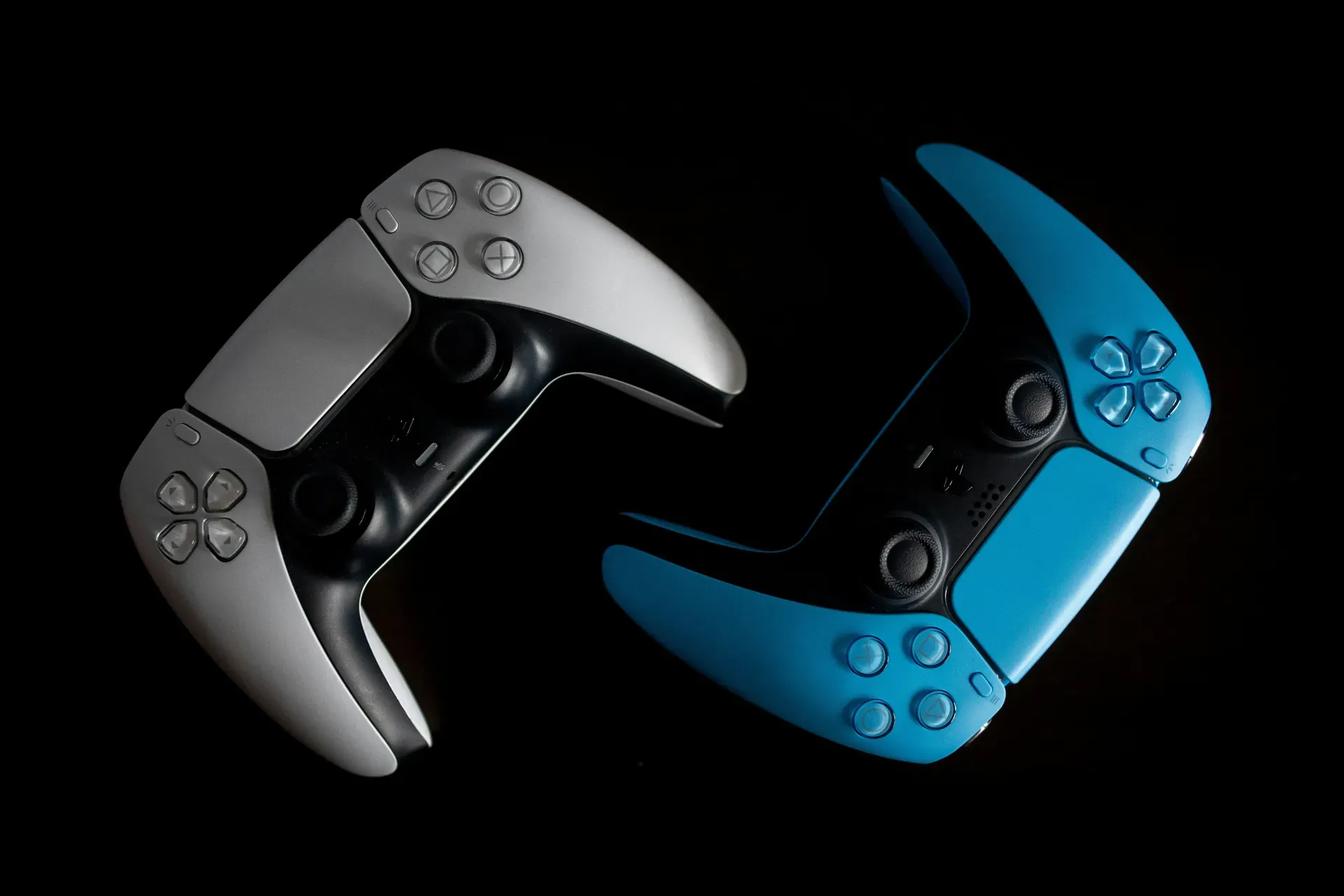
DualSense Controller: Redefining Interaction
A standout feature of the PS5 is the DualSense controller, which reimagines how players interact with games. The controller includes adaptive triggers that adjust resistance depending on in-game actions, such as drawing a bow or accelerating a vehicle.
The advanced haptic feedback system replaces traditional vibration with more precise sensations. Players can feel subtle differences, like walking on sand versus metal, or the impact of raindrops. These features bring a new level of immersion, making gameplay feel more realistic and engaging.
This focus on tactile feedback represents Sony’s commitment to innovation beyond just graphics and performance, emphasizing the importance of player experience.
Graphics and Performance Enhancements
The PS5 set new standards for visual fidelity. With support for 4K resolution, ray tracing, and higher frame rates, games look more lifelike than ever before. Lighting and reflections behave more naturally, creating a deeper sense of realism.
Players often have the option to choose between performance modes (favoring smoother gameplay) and quality modes (prioritizing visual detail). This flexibility allows users to tailor their experience based on personal preferences.
Moreover, the PS5’s hardware enables developers to build larger, more detailed worlds without sacrificing performance. This has led to richer environments and more complex gameplay systems.
The Shift Toward Digital and Subscription Gaming
Beyond hardware, the PS5 era reflects a major shift in how games are distributed and consumed. Digital downloads have become increasingly popular, reducing reliance on physical discs.
Subscription services like PlayStation Plus have expanded significantly, offering access to extensive game libraries for a monthly fee. This model mirrors trends in other forms of entertainment, such as streaming services for movies and music.
Cloud saves, digital libraries, and online connectivity have made gaming more convenient and accessible. Players can access their content from anywhere, creating a more flexible gaming experience.
Social Connectivity and Cross-Platform Play
The PS5 has also embraced social gaming more than ever before. Features like cross-platform play allow users to connect with friends regardless of their console or device.
Streaming and content-sharing tools are built directly into the system, enabling players to broadcast gameplay or upload clips with ease. This has contributed to the growing popularity of gaming as a social and spectator activity.
Gaming is no longer just about playing it’s about sharing experiences, building communities, and engaging with a global audience.
Looking Ahead: The Anticipation for PS6
While Sony has not officially announced the PS6, industry trends provide insight into what the future might hold. Typically, new PlayStation consoles are released every six to seven years, suggesting that the PS6 could arrive later this decade.
The expectations for the PS6 go beyond incremental improvements. Instead, it is likely to represent another transformative leap in gaming technology.
Next-Generation Performance and Hardware
The PS6 will almost certainly feature more advanced processing power, with improved CPUs and GPUs capable of handling more complex and demanding games.
While the PS5 made 4K gaming mainstream, the PS6 could push toward 8K resolution or focus on ultra-high frame rates for smoother gameplay. This would further enhance realism and responsiveness.
Advancements in hardware could also enable more sophisticated physics, larger open worlds, and more dynamic environments.
The Future of Storage and Load Times
The PS5’s SSD was revolutionary, but technology continues to evolve. The PS6 may feature even faster storage solutions, potentially eliminating loading screens entirely.
This would allow for truly seamless gaming experiences, where transitions between gameplay segments happen instantly. Developers could create more ambitious worlds without worrying about technical limitations.
Cloud Gaming and Streaming Integration
Cloud gaming is expected to play a larger role in the future of PlayStation. Instead of downloading games, players may stream them directly from servers.
The PS6 could integrate cloud technology more deeply, offering a hybrid model where players can choose between local and cloud-based gaming. This would reduce storage requirements and allow instant access to games.
Such advancements could also make high-quality gaming more accessible on a wider range of devices.
Artificial Intelligence in Gaming
Artificial intelligence is poised to transform gaming in significant ways. The PS6 could leverage AI to create smarter, more realistic non-player characters (NPCs).
AI could also personalize gaming experiences by adapting difficulty levels or suggesting content based on player behavior. This would make games more engaging and tailored to individual preferences.
Additionally, AI could assist developers in creating more detailed and dynamic game worlds.
Virtual Reality and Immersive Experiences
Virtual reality (VR) is another area where the PS6 could make a major impact. Building on the foundation of PlayStation VR and PS VR2, future systems could offer improved resolution, better tracking, and enhanced comfort.
The PS6 might integrate VR more seamlessly, making it a core part of the gaming experience rather than an optional add-on. This could lead to more immersive and interactive worlds.
Design, Efficiency, and Sustainability
The design of the PS6 will likely reflect advancements in technology and changing consumer preferences. While the PS5 featured a bold and large design, the PS6 may be more compact and efficient.
Energy efficiency could become a key focus, aligning with global efforts toward sustainability. Improved hardware design could reduce power consumption while maintaining high performance.
Expanding the PlayStation Ecosystem
The future of PlayStation is not limited to a single console. The PS6 may be part of a broader ecosystem that includes PCs, mobile devices, and cloud platforms.
Players could start a game on one device and continue it on another seamlessly. This level of integration would make gaming more flexible and accessible.
Subscription services are also expected to grow, potentially offering larger libraries and even day-one releases.
Challenges and Considerations
While the future looks promising, there are challenges to consider. Game development costs continue to rise, which could lead to higher prices or increased reliance on in-game purchases.
Balancing innovation with affordability will be crucial for the success of the PS6. Additionally, ensuring accessibility for players of all abilities will remain an important focus.
Conclusion
The journey from the PlayStation 5 to the anticipated PlayStation 6 represents more than just a hardware upgrade it reflects the ongoing evolution of gaming as a whole.
The PS5 has already redefined speed, immersion, and player interaction. The PS6 is expected to build on this foundation, introducing new technologies that further enhance how we play and experience games.
As the gaming industry continues to evolve, one thing remains certain: PlayStation will continue to be at the forefront, shaping the future of interactive entertainment for years to come.
Discussion
0 likes