Vivo V300 Series Camera Features & ZEISS Lens Technology Explained
By Mukesh kumar
Explore how the Vivo V300 Series is transforming smartphone photography with ZEISS optics, advanced portrait cameras, AI imaging, and flagship-level camera per…
Article body
There seems to be a tipping point within mid-range smartphones. Where good enough cameras were adequate for social media posts, now professionals demand DSLR-quality shots. The Vivo V300 Series is one step ahead of the curve by offering co-engineered ZEISS imaging solutions in their multiple offerings.
Here we take a closer look at the Vivo V300, V300 Pro, and V300 Lite/e, with an emphasis on the unique lens specifications that make them great buys for photography enthusiasts.
Vivo V300 Pro: The Portrait Pro
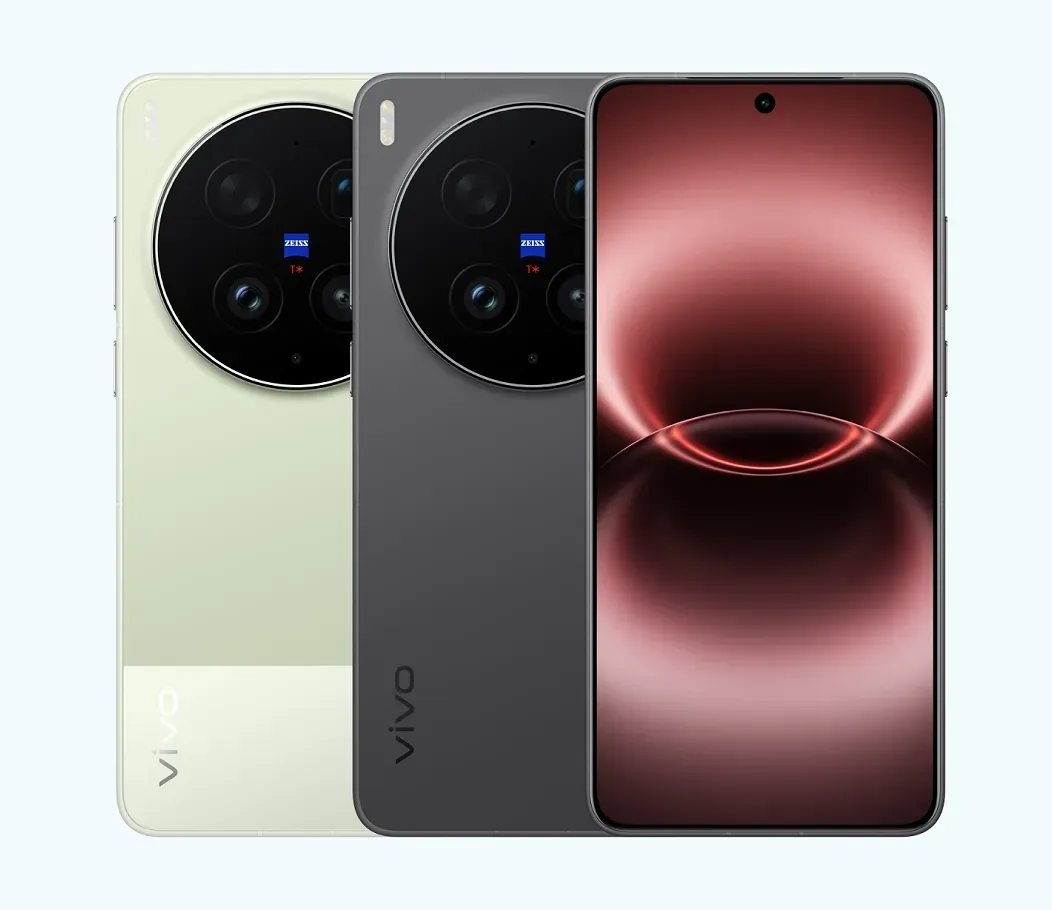
This is definitely the flagship of the trio, equipped with the famous Triple-50MP solution that is not often seen in mid-range phones since it guarantees that there are no "filler" lenses.
Lenses Overview:
Main Lens (50MP): Features Sony IMX921 sensor and Optical Image Stabilization (OIS). The aperture value is f/1.88 - excellent for absorbing more light in low light conditions (street photography at night).
Portrait Telephoto Lens (50MP): A real innovation! A ZEISS camera with 50mm focal length. Why is it so significant? Because it is used for human portraits since its field of view is the same as the one we have naturally.
Wide-Angle Lens (50MP): A lens with 119° FOV which allows capturing group shots or landscapes without those annoying distortions that usually occur in cheaper 8MP ultra-wides.
ZEISS Implementation: The V300 Pro model utilizes ZEISS T Coating*. This will help you avoid any "ghosting" and other problems with flare in case you need to shoot against bright lights – useful for nighttime vlogging.
Vivo V300: The Versatile Performer
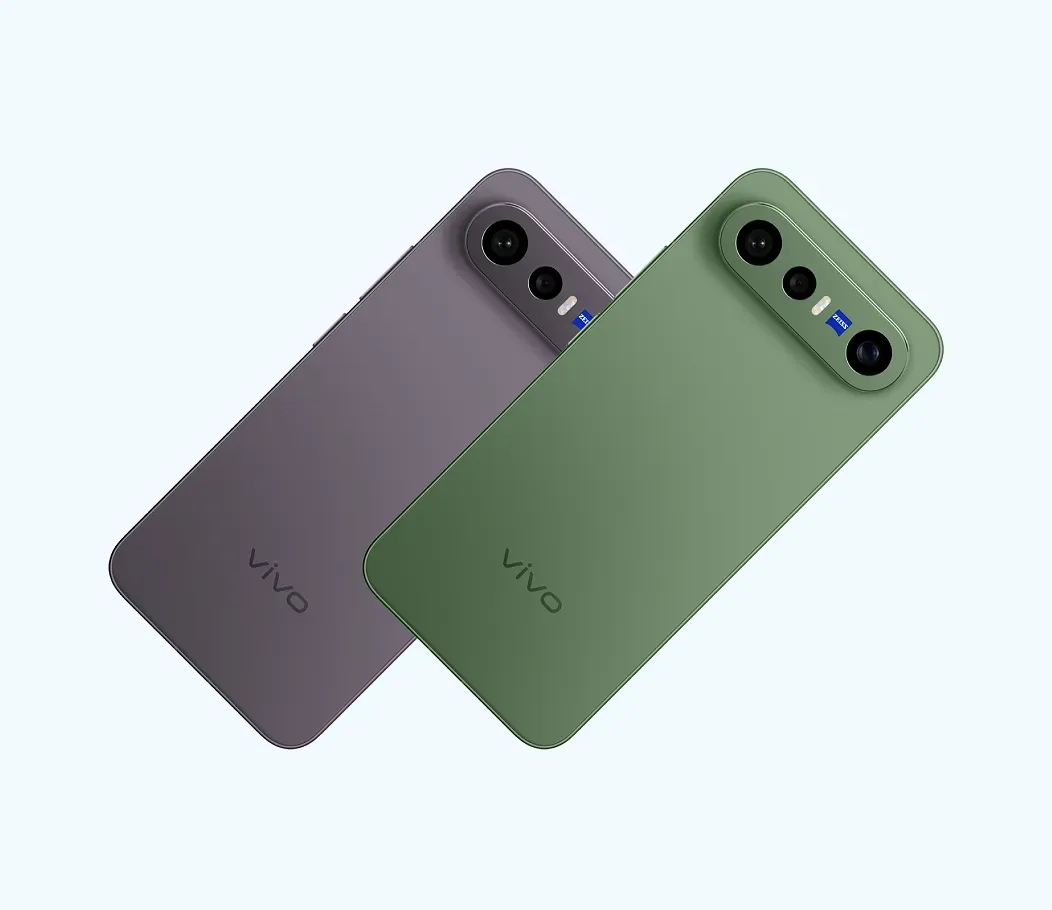
While being more affordable, the standard Vivo V300 has the necessary hardware for creating stunning images.
Lenses Overview:
Main Sensor (50MP): It's called VCS (Vivo Camera Bionic Spectrum). Its main selling point is the ability to capture colors just like you see them a definite requirement when it comes to photography for e-commerce (jewelry, for example).
Ultra-Wide Sensor (50MP): Exactly the same as in the Pro model, hence the 50MP resolution for capturing wide-angle shots with no distortions.
Front-Facing Camera (50MP): Vivo's standard 50MP AF Group Selfie camera with 92° wide-angle lens is among the best available on the market in 2026 the perfect choice for vlogging.
Vivo V300e / Lite: The Sleek and Budget-Friendly Model
The "e" model was made for those people who need the same features but have lower budgets.
Lenses Overview:
Main Camera (50MP): The Sony IMX882 is used, although it is somewhat smaller than in the Pro model. Nonetheless, it provides the optical image stabilization for smoother videos.
Secondary Bokeh Lens (2MP): It is mainly used for depth mapping to blur the background during portraits.
Technical Comparison Table
Feature V300 Pro V300 V300e
Main Sensor 50MP (Sony IMX921) 50MP (VCS True Color) 50MP (Sony IMX882)
Telephoto 50MP (ZEISS 50mm) N/A N/A
Ultra-Wide 50MP 50MP 8MP
Selfie 50MP AF 50MP AF 32MP
Special Feature ZEISS T* Coating Aura Light 3.0 Aura Light
Why the V300 is a "Creator's Tool"
For a Content creator, your phone becomes the office. Here's why the V300 Series is perfect for photography enthusiasts:
Aura Light 3.0: It works as a built-in ring light. It is convenient for both photographing items and recording tutorials with the proper lighting.
4K Stability: They all offer great camera quality, but the OIS feature in Pro and standard models makes them great for handheld vlogging, even without a gimbal.
Sustained Battery: With 80W Fast Charging, they can easily get fully charged while you grab a coffee.
Do let us know which one do you like the most
Discussion
0 likes